
Free in-home measure and quote - PGT, CGI and CWS impact lines compared on your actual openings, style by style
Sliding glass doors
Impact garage doorsPGTCGI
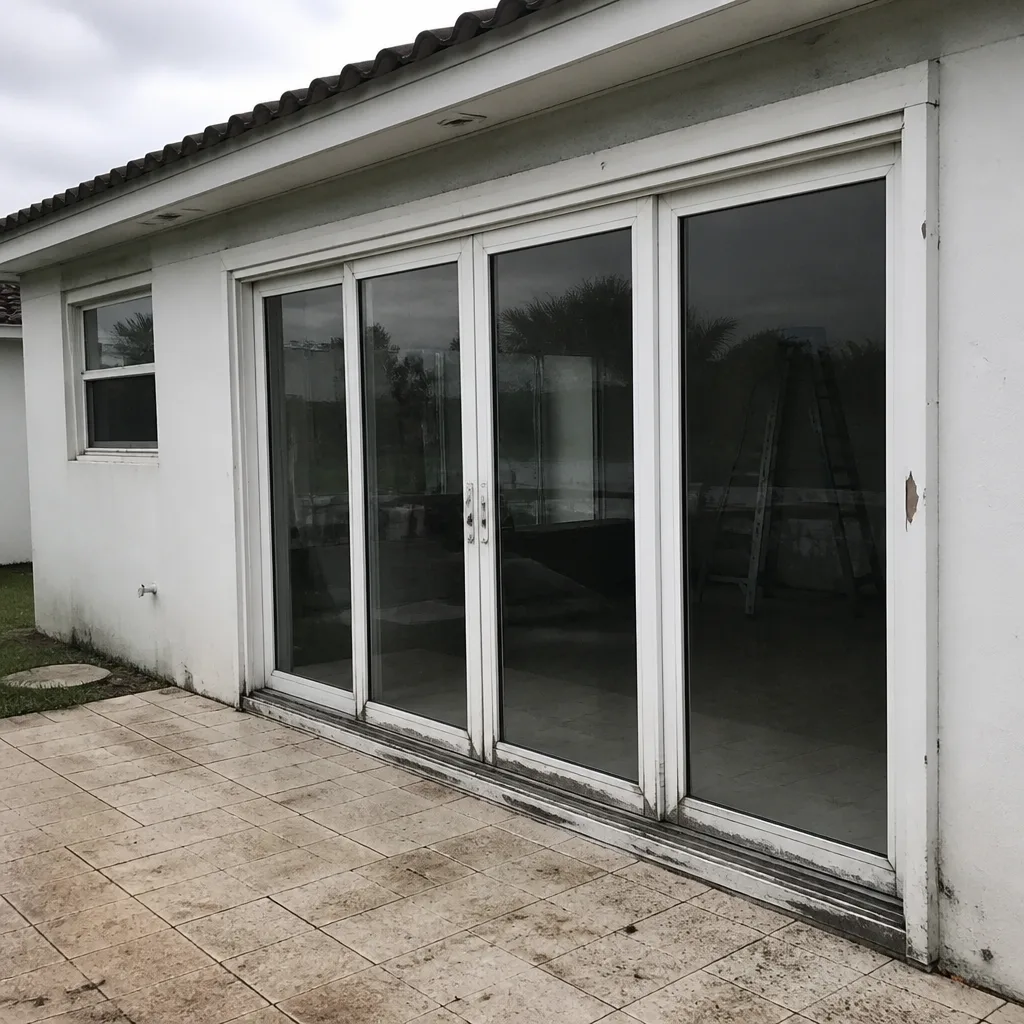 Before
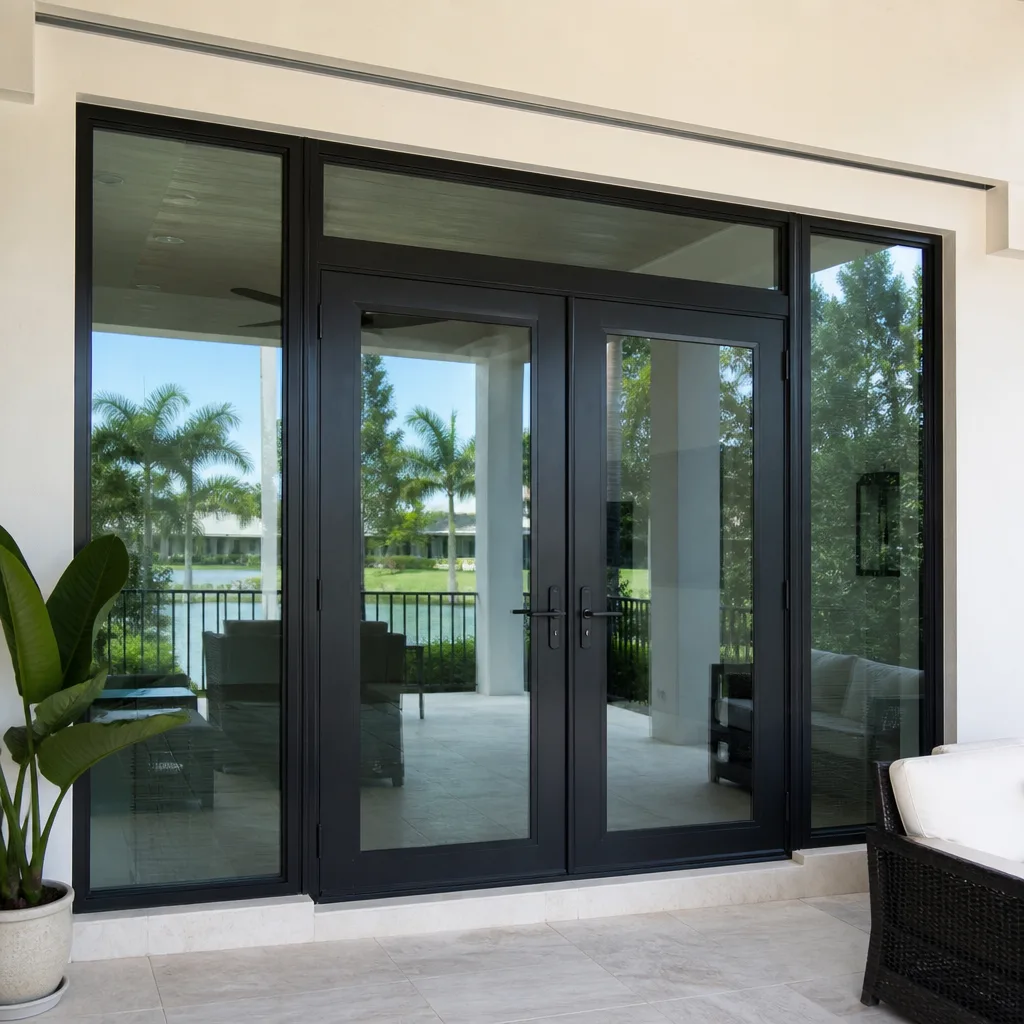 After
After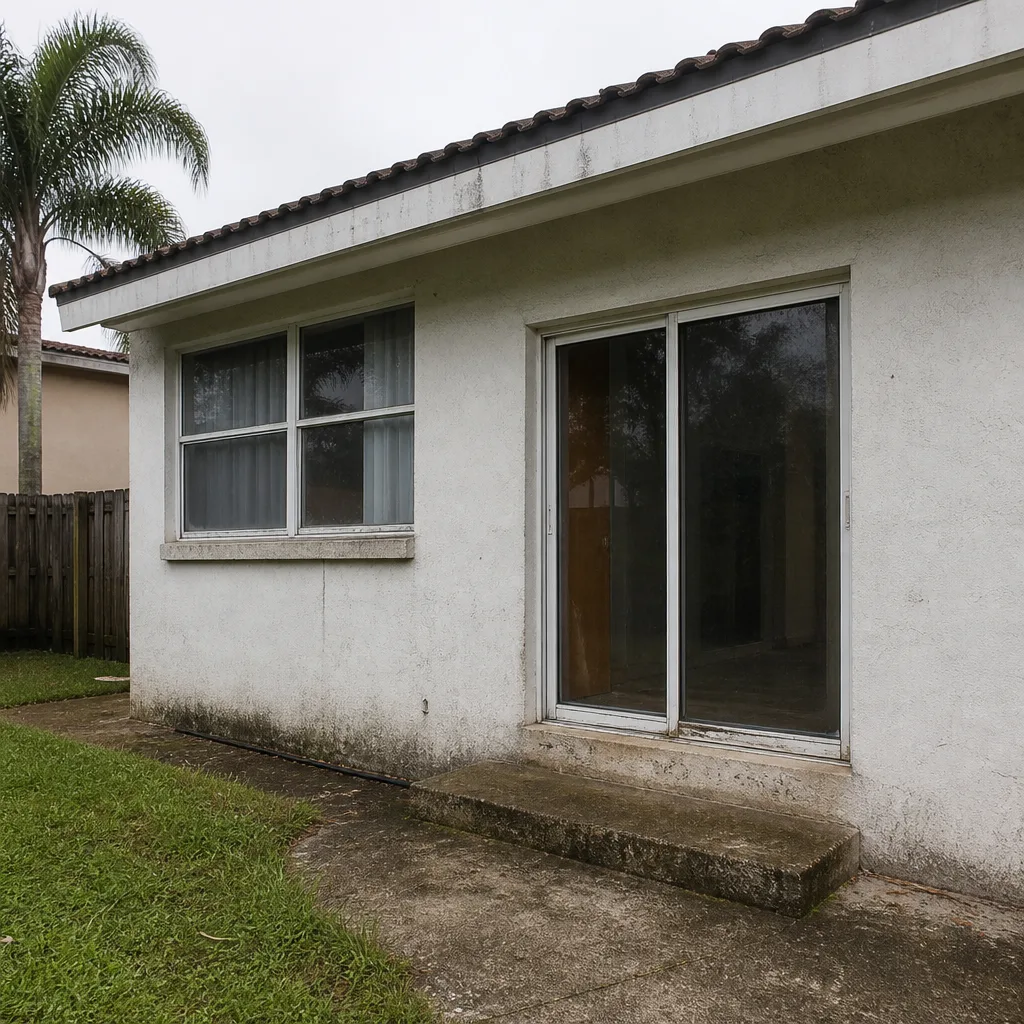 Before
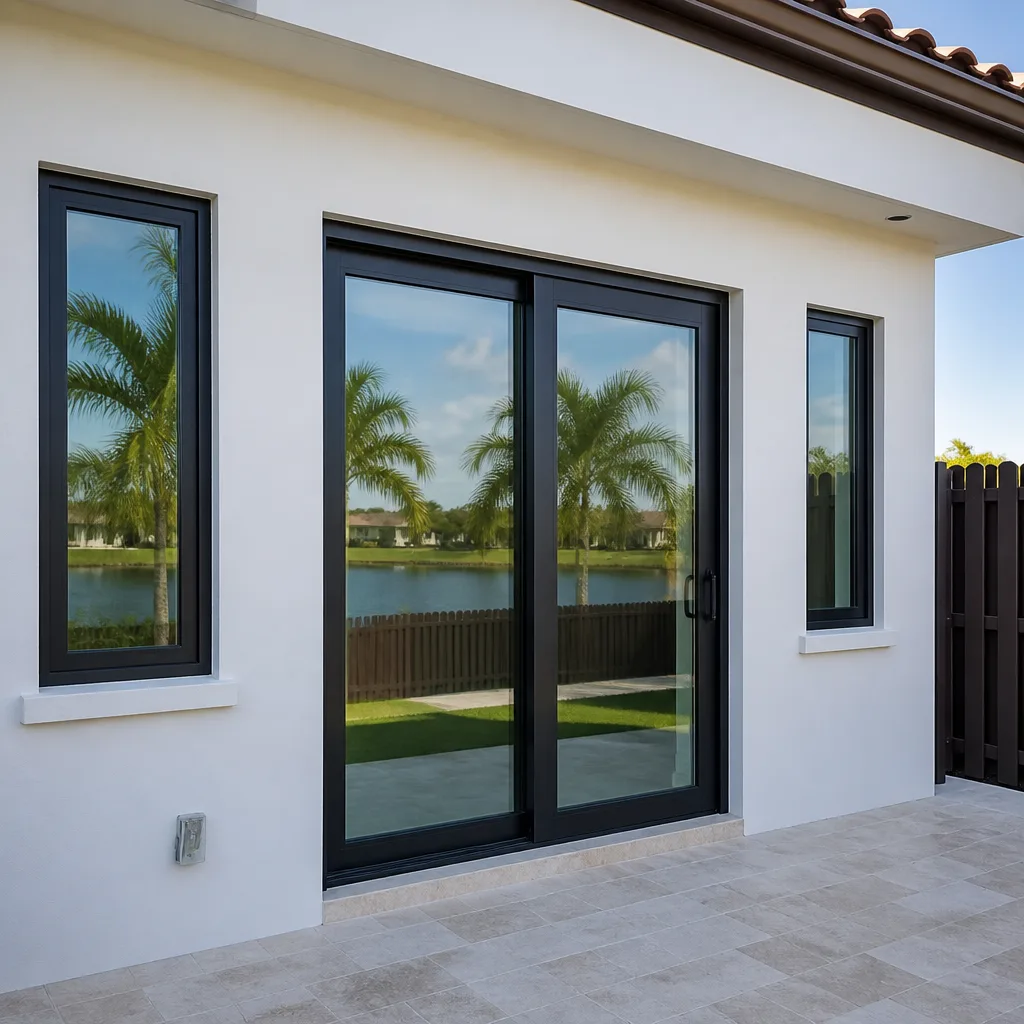 After
After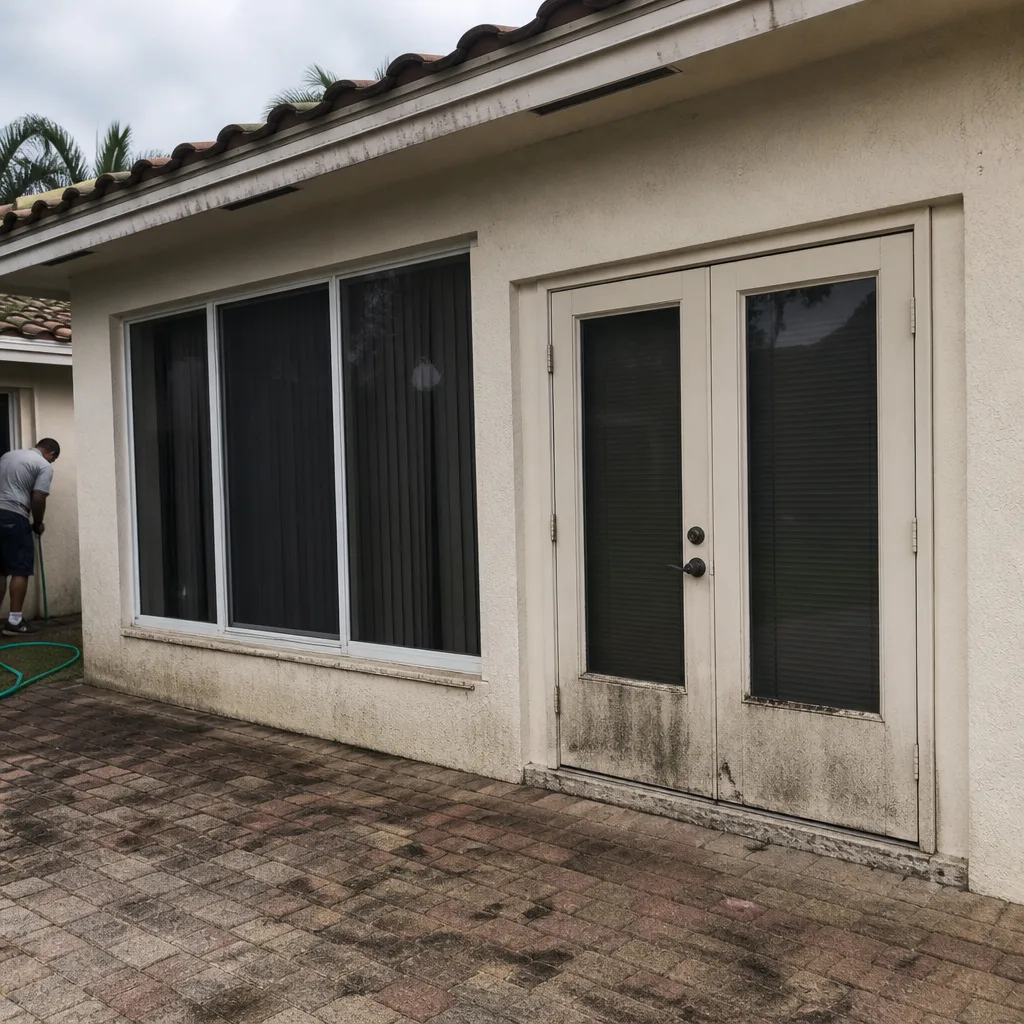 Before
 After
AfterWhat Is Low-E Glass? The Short Answer for Doral Homeowners
Low-E glass is window glass treated with a microscopically thin, transparent metallic oxide coating that reflects heat while letting light pass through. In Doral, that coating is working against two forces at once: South Florida’s year-round sun load and the radiant heat bouncing off pavement, tile roofs, and stucco walls. The right Low-E specification can cut solar heat gain through a window by 30% to 50% compared to clear glass, and that difference shows up on your electric bill every month from April through October.
We’re TruePane Windows & Doors, and we’ve been setting glass in Doral long enough to know that most homeowners hear “Low-E” thrown around without ever being told what it actually does. Call (386) 854-7948 if you want the plain version with no upselling attached.
The Doral Problem: Heat, Humidity, and Planes Overhead
Doral sits directly east of Miami International Airport’s primary runway corridors. That means residential streets are under heavy commercial flight paths, and the same windows that fight the afternoon sun also have to manage constant aircraft noise. No other Miami-Dade city combines mandatory High-Velocity Hurricane Zone (HVHZ) impact glazing with this level of acoustic exposure, which is why the real conversation in almost every Doral window sale is about dual-spec glass: impact-rated, Low-E coated, and acoustically layered.
Here’s what that means in practical terms. A standard Low-E coating is a solar control layer. Add a laminated interlayer for impact resistance and you get a window that handles a Category 5 pressure cycle and still knocks down the roar of a 747 on final approach. Most builder-grade windows in Doral were not set up this way. They were spec’d to meet code minimums, not to make a third-floor condo tolerable at 6:00 p.m. on a Tuesday when departures stack up.
This is where Dale Kessler’s background matters. He grew up off NW 107th Avenue back when Doral had more nurseries than subdivisions, and he learned glass the old way at Miami Lakes Educational Center, running commercial storefront systems before he ever touched a residential window. That sequence, frame first, glass second, is why TruePane approaches every opening the same way: measure the rough opening, confirm the spec against what the room actually needs, then set the glass. The opening has to be right before the window can be.
What Low-E Glass Actually Does in South Florida
Low-E is not one product. It’s a family of coatings, and the coating that works in Minnesota is the wrong one for Doral. Up north, Low-E is optimized to trap heat inside. Down here, the coating has to reflect heat outward while still letting visible light through. That’s the difference between a window that fights your air conditioner and one that helps it.
Here are the three properties that matter most in this climate, in plain language:
- Solar heat gain coefficient (SHGC). This measures how much solar radiation gets through the glass. In Doral, you want a low SHGC, ideally under 0.25. Clear single-pane glass sits around 0.80, so a properly spec’d Low-E unit rejects most of the heat before it ever enters the room.
- U-factor. This measures how well the glass insulates against conducted heat. Lower is better. In a cooling-dominated climate like ours, a U-factor around 0.30 or below is a reasonable target for a quality double-pane Low-E unit.
- Visible light transmittance (VT). This is how much light passes through. Higher VT means brighter rooms without the heat. A good spectrally selective Low-E coating can give you VT above 50% while holding SHGC below 0.25, which is the sweet spot for Doral homes.
The reason this matters locally comes down to humidity and UV. South Florida’s sustained 80%+ relative humidity breaks down silicone seals on insulated glass units faster than any northern climate, and our UV index sits in the extreme range most of the year. That combination means the Low-E coating also has to survive inside a sealed unit for the life of the window. A cheap coating that fails in year eight leaves you with fogged glass and a warranty claim nobody wants to chase. We register both warranty layers in writing before the truck leaves the driveway, because we’ve seen too many homeowners learn the hard way that a voided warranty is worse than no warranty at all.
Low-E vs. Impact Glass: They Are Not the Same Thing
This is the single biggest point of confusion we run into in Doral, and it leads to expensive mistakes. Low-E is a coating. Impact resistance is a structural property, usually achieved with laminated glass or reinforced frames. A window can be impact-rated without Low-E, and a Low-E window can be completely useless in a hurricane. In Miami-Dade County, every replacement window must meet HVHZ impact standards, which means the Low-E question is not whether to get it, but which Low-E coating to pair with the impact glass your code already requires.
For most Doral homes built between 2000 and 2015, the existing windows are builder-grade PGT or CGI aluminum units. The frames are impact-rated because they had to be, but the glass packages were often spec’d to the cheapest compliant option. Those units are now hitting the 10 to 15 year mark where insulated-glass seals fail, and homeowners are seeing fogged panes and condensation between the glass. That’s the point where the Low-E conversation actually starts, because replacing a failed sealed unit is the best opportunity to upgrade to a better coating without paying for new frames.
We also see whole townhome communities hit this at once. Doral’s gated developments were built by a small set of production builders using nearly identical fenestration packages, which means entire HOAs can experience seal failure and hardware corrosion on the same schedule. When we land one unit in a Doral townhome association, it is not unusual to end up quoting a block-level replacement program, because the neighbor three doors down is dealing with the same fogged pane and the same aircraft noise we were called about in the first place.
Key Takeaways for Doral Homeowners
- Low-E is a heat-reflecting coating, not a structural rating. In Doral, you need it paired with HVHZ impact-rated glass, and the two specs should be selected together.
- The right Low-E spec for South Florida is spectrally selective: low SHGC (under 0.25), low U-factor (around 0.30 or below), and decent visible light (VT above 50%).
- Doral’s humidity and UV break down seals faster than the national average, so the quality of the sealed unit matters as much as the coating itself.
- If your Doral home was built between 2000 and 2015 and still has original windows, you are in the window where seals start failing. That’s the time to upgrade, not after the fog shows up.
- Warranties only matter if they’re registered. TruePane handles that before the truck leaves your driveway, no exceptions.
What to Look For When Comparing Low-E Glass Quotes
When we quote Low-E glass in Doral, we put manufacturer lines side by side on paper so you can see the actual performance numbers, not just the brand name. We’ve done this with ECO Window Systems and Mr-Glass units alongside Andersen and PGT, and the difference between a good package and a great one is usually in the details: which coating, which interlayer, which spacer, and which sealant.
Here’s a practical breakdown of what those choices look like in real numbers for Doral:
| Glass Package | Typical SHGC | Typical U-Factor | Best Fit in Doral |
|---|---|---|---|
| Clear single-pane (pre-2000) | 0.80 | 1.10 | None - replacement territory everywhere |
| Builder-grade impact, no Low-E | 0.55-0.65 | 0.65-0.75 | Survives code, underperforms on energy |
| Impact + standard Low-E | 0.30-0.40 | 0.50-0.60 | Common mid-range spec |
| Impact + spectrally selective Low-E | 0.20-0.25 | 0.30-0.40 | Best for Doral heat and AC load |
| Impact + spectrally selective Low-E + acoustic laminate | 0.20-0.25 | 0.30-0.40 | For homes under MIA flight paths |
Prices move with the spec. A standard Low-E impact replacement for a single Doral condo window might run $600 to $1,200 installed depending on size, while a dual-spec acoustic-plus-impact unit can push that to $1,500 or more. Those are honest ranges for Miami-Dade, not national averages. If you want an exact number for your opening, call us. Estimates are free, and we’ll quote it the way we’d want it quoted to us: itemized, on paper, no surprise line items.
Why the Coating Is Only Half the Job
Low-E glass does nothing for you if the frame around it leaks air or the rough opening was never flashed correctly. That’s why we measure every opening twice before we order glass, and why our installers are background-checked, uniformed, and trained to treat your home the way they’d treat their own mother’s house. It’s also why our Energy-Efficient Windows work begins with the opening, not the glass.
Dale’s father hung aluminum jalousies for a living, which was a harder version of this trade than most people can imagine. Dale got into windows to fix everything his dad had to put up with: the drafts, the rattling, the frames that never quite closed. That’s the standard we carry now. The work is done when the pane is true, the seal is tight, and the warranty is registered. If it’s not right, we make it right. That’s our Done Right Promise, and we put it in writing on every job in Doral.
FAQs
Yes, Low-E glass with the correct spectrally selective coating reflects a significant portion of solar radiation away from the window, reducing interior heat gain by roughly 30% to 50% compared to clear glass, which directly lowers AC load in Doral’s year-round cooling climate.
No, Low-E glass cannot be retrofitted onto existing window glass; the coating must be applied at the manufacturing level, which means the practical options are replacing the entire window unit or replacing the failed sealed glass unit with a new Low-E unit, a common upgrade path for Doral homes built in the 2000s that are now seeing seal failure.
Low-E coating typically adds 10% to 15% to the cost of a replacement window compared to standard impact glass without the coating, which on a single Doral condo unit often translates to roughly $100 to $200 more per window, a premium most homeowners recover through lower cooling bills within a few years.
Green building energy codes in Miami-Dade County increasingly require Low-E or equivalent performance on replacement windows, but the practical answer from our experience is that any Doral homeowner replacing windows should specify Low-E regardless of code because the heat reduction is worth far more than the small price difference.
Get a Straight Answer on Low-E Glass in Doral
If you’re tired of trying to decode glass specs and just want someone to tell you what your windows need, call TruePane Windows & Doors at (386) 854-7948. We’ll come out, look at your openings, and give you a no-pressure assessment with real numbers you can compare on paper. No obligation, no hard sell, just a straight answer from a crew that’s been doing this in Doral for a long time.
Written by Dale Kessler, Owner, TruePane Windows & Doors at TruePane Windows & Doors, serving Doral, FL.
Six Reasons Homeowners Choose TruePane Windows & Doors
Impact systems engineered to design pressures up to +/-100, matched to your wind zone - your openings hold when the storm arrives.
Low-E insulated impact glass from our manufacturer lines commonly cuts monthly cooling bills 20-30%.
Laminated impact glass shuts out up to 40% of outside noise - traffic, neighbors, weather.
Monitoring services run $30-90 a month. Laminated impact glass resists forced entry around the clock, with no subscription.
Florida homeowners average around 25% savings on the windstorm portion of their policy after protecting every opening - some homes qualify for more.
A full impact package upgrades curb appeal, buyer confidence and appraised value in one project.