
Last updated August 27, 2026
Free in-home measure and quote - PGT, CGI and CWS impact lines compared on your actual openings, style by style
Sliding glass doors
Impact garage doorsPGTCGI
 Before
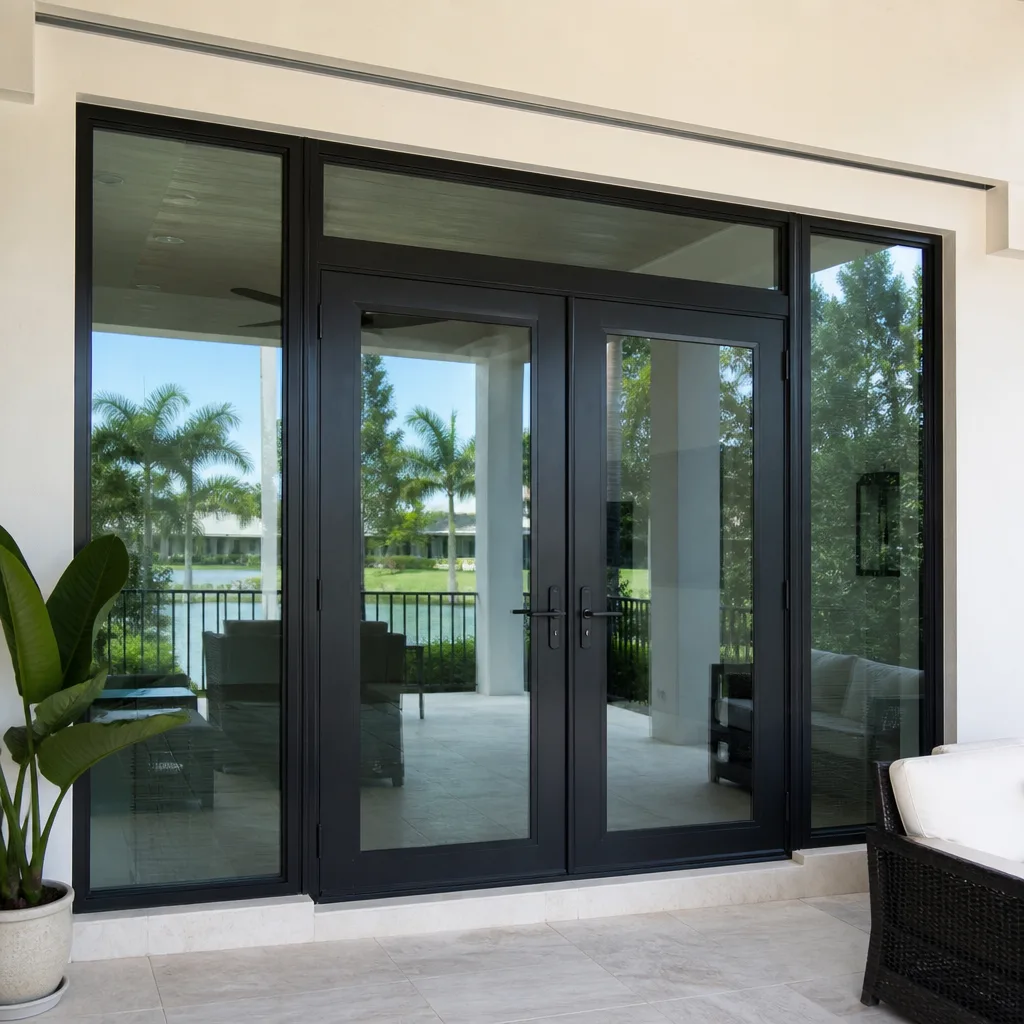 After
After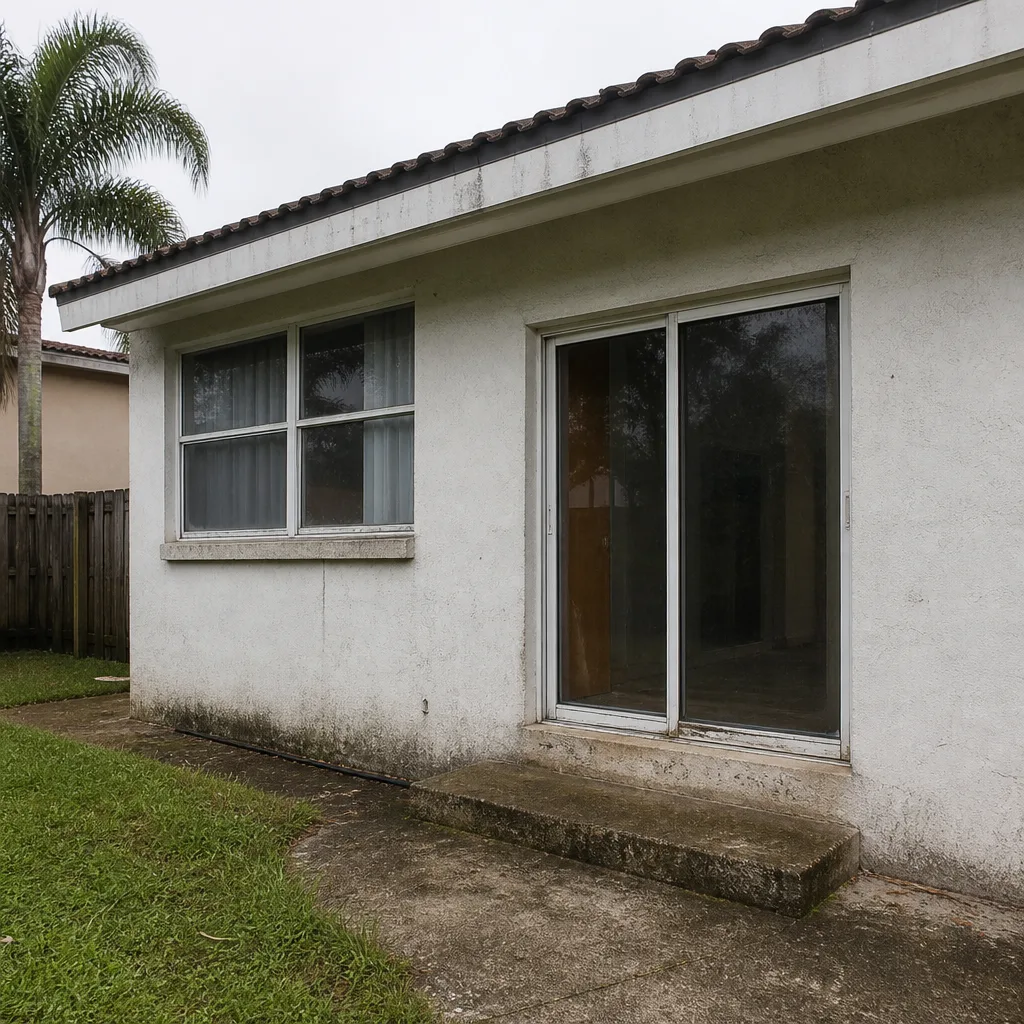 Before
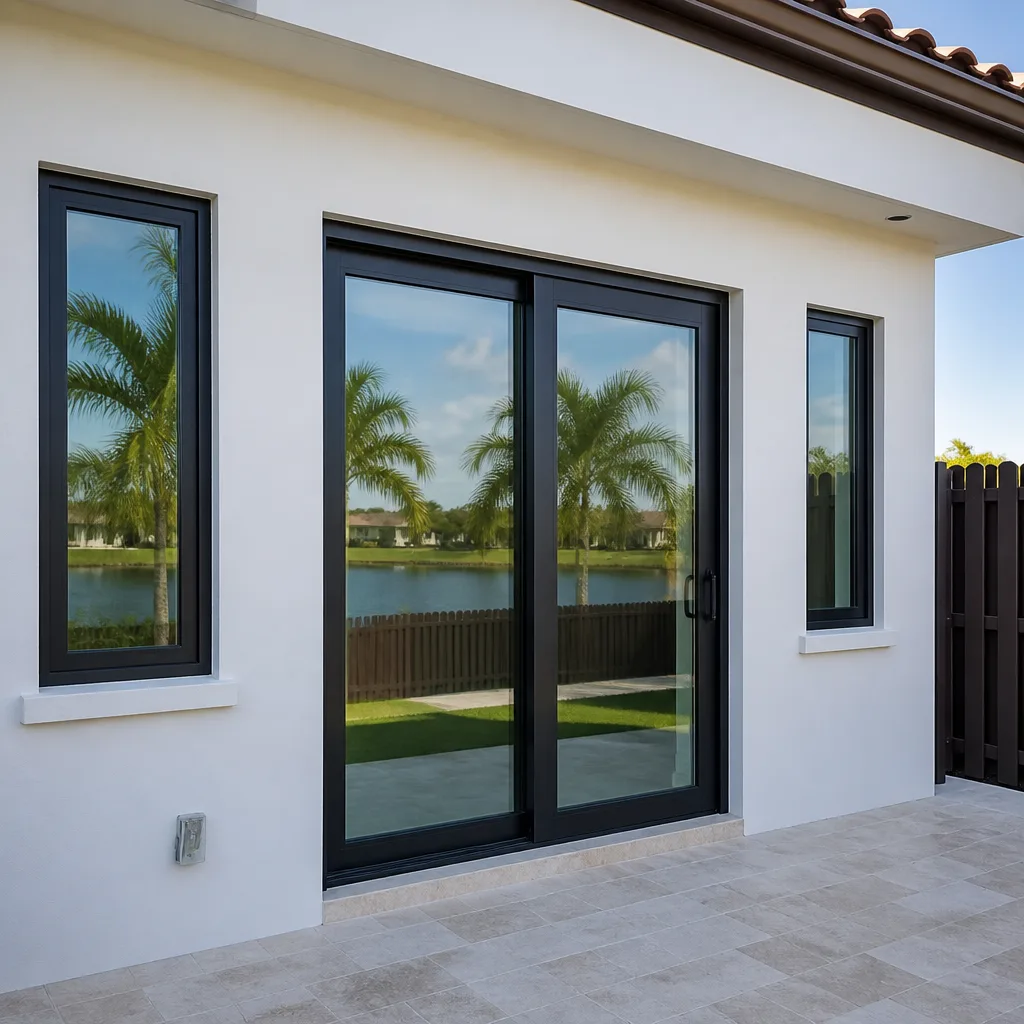 After
After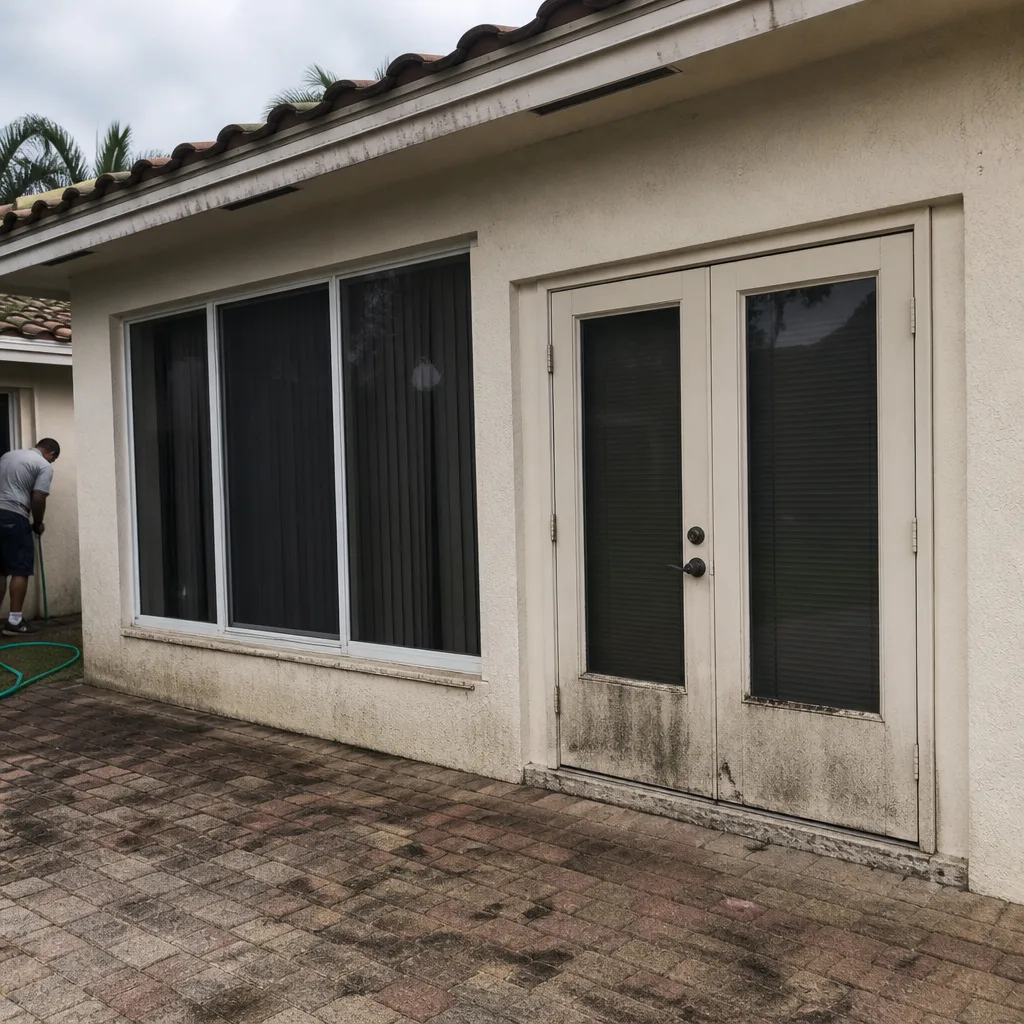 Before
 After
AfterWindow Installation Maintenance Checklist for Doral Homeowners
Most window failures in South Florida are not caused by hurricanes. They are caused by heat, humidity, and time. A double-pane window that fogs between the glass has usually failed at the seal, and that failure began years before the visible fog appeared, often as hairline cracks in the sealant from thermal expansion under Doral’s afternoon sun. In our years of service, we have replaced windows in Doral that were only eight years old because the original installation was never checked after the first rainy season. This guide gives you a maintenance checklist, explains what to inspect and when, and tells you when a problem is cosmetic versus structural. It is written for homeowners who intend to stay in their house and want the windows to outlast the mortgage.
Quick Answer
A Doral homeowner should inspect window caulking, weep holes, glass seals, and hardware twice a year, clean tracks and sills quarterly, and schedule a professional tune-up every two to three years. The two biggest threats in Doral are moisture intrusion from afternoon thunderstorms and UV damage to exterior sealant. Catching a failed seal or cracked caulk early usually costs under $100 to fix; ignoring it for two years often means full window replacement at $600 to $1,200 per opening.
Table of Contents
- The Seasonal Inspection Rhythm for Doral’s Climate
- Monthly Cleaning Checklist for Tracks, Sills, and Glass
- Caulk and Sealant: What Doral’s Sun Does to Exterior Joints
- Weep Holes and Drainage: The Most Overlooked Line of Defense
- Glass Seal Failure: How Fog Forms Between Panes
- Hardware and Movement: Checking Locks, Balances, and Rollers
- Impact Window and Storm Protection Notes for Doral
- Common Mistakes to Avoid
- When to Call a Professional
- Frequently Asked Questions
- The Bottom Line
The Seasonal Inspection Rhythm for Doral’s Climate
Doral runs on two seasons: wet and hot, then wetter and hotter. The first heavy afternoon storm of May is the best calendar reminder for an exterior inspection; the Thanksgiving week dry spell is the second. We recommend a simple rhythm: a 20-minute visual pass in May before hurricane season starts, and a 20-minute pass in November after it ends. Between those, the quarterly cleaning routine handles the rest. Here is the step-by-step inspection order we teach our technicians and repeat to every homeowner who asks.
- Stand inside each room and look at the glass edge. Pencil-thin fog, condensation between panes, or a milky film that will not wipe away means the seal has failed.
- Run a finger along the interior caulk line where the window frame meets the drywall. It should feel smooth and solid, not crumbly or recessed.
- Open every operable window halfway and let go. A window that drops, sticks, or grinds has a balance or roller problem that will worsen.
- Check the locks. A lock that needs force to engage is misaligned; a lock that spins loosely is stripped.
- From outside, inspect the top sealant bead above the window. This is where Doral’s sun hits hardest, and where we find the most cracking on south-facing and west-facing walls.
- Clear any visible debris from weep holes at the bottom track with a soft brush. Never use a wire or metal pick.
In Doral neighborhoods like Downtown Doral and the areas around Northwest 41st Street, we see the same pattern: north-facing windows hold up longest, south-facing windows need sealant attention first. If you do nothing else this season, do the May and November passes. They take less time than mowing the lawn, and they catch the problems that later show up as a $1,000 replacement quote.
Monthly Cleaning Checklist for Tracks, Sills, and Glass
Dirt in a window track is not cosmetic. Grit grinding against the roller mechanism every time a window opens is the number one cause of premature hardware failure we see in Doral, where construction dust and landscaper debris settle into tracks within weeks. A monthly cleaning does three things: it keeps windows operating smoothly, it exposes problems early, and it prevents the black mildew streaks that form in damp tracks during the summer months. Here is the exact routine.
- Vacuum the track with a brush attachment to remove loose sand and grit. Skip this step and the next one just polishes the dirt deeper into the mechanism.
- Wipe tracks with a damp microfiber cloth. For mildew, a solution of one part white vinegar to four parts water works; avoid bleach, which degrades vinyl and aluminum finishes.
- Dry the track completely with a clean cloth. Standing water in a track is an invitation for corrosion and mosquito larvae.
- Clean glass with a standard glass cleaner and a lint-free cloth. Never spray cleaner directly on the glass edge where it meets the frame; overspray wicks into the seal and accelerates degradation.
- Lubricate moving parts twice a year with a dry silicone spray on rollers, locks, and hinges. Do not use WD-40; it attracts dust and gums up.
- Check the exterior sill for leaves, grass clippings, and dirt buildup. These block weep holes and hold moisture against the frame.
For homes in Doral with a lot of nearby construction, like the new developments going up along Northwest 87th Avenue, we recommend cleaning tracks every two weeks during active building phases. The concrete dust is finer than normal sand and works its way into every crevice. A two-minute vacuum pass saves a $175 service call later.
Caulk and Sealant: What Doral’s Sun Does to Exterior Joints
Exterior caulk and sealant are sacrificial. They are designed to fail before the window frame does, absorbing the UV radiation, thermal expansion, and moisture that Doral throws at them daily. A south-facing window in Doral can see surface temperatures above 140°F in July. Over five years, that heat cycles the sealant through thousands of expansion and contraction cycles, and eventually it cracks, peels, or pulls away from the substrate. When that happens, water gets behind the frame and the real damage begins.
We tell homeowners to look for three things on every exterior caulk line: cracks that run parallel to the window frame, gaps where the caulk has separated from the stucco or brick, and chalky white residue that rubs off on a finger. Any of those means the sealant is done and needs to be removed and replaced, not touched up.
Replacement is not a caulk-over-caulk job. The old bead must be cut out, the joint cleaned, and a high-quality sealant applied that is rated for South Florida’s UV index and temperature range. We use commercial-grade polyurethane and silicone blends from manufacturers including Andersen and Pella on our installs. For repainting situations, a paintable sealant matters; for bare joints, a pure silicone lasts longer but cannot be painted. In our experience, a properly installed exterior sealant bead in Doral lasts five to seven years before the first inspection finds meaningful wear. A poorly installed bead can fail in two.
Inside the house, check the caulk where the window frame meets the drywall in every room twice a year. Interior caulk failure is less about moisture intrusion and more about air leakage, and in Doral, air leakage is an air conditioning bill problem. A house with failed interior seals around a dozen windows is paying to cool air that is leaking into the wall cavity. The fix is inexpensive and takes one technician less than an hour.
Weep Holes and Drainage: The Most Overlooked Line of Defense
Every properly manufactured window has weep holes: small openings along the bottom exterior edge of the frame designed to let water drain out. In Doral’s summer rainy season, where a single afternoon storm can drop an inch of rain in forty minutes, weep holes are the difference between a window that sheds water and a window that collects it. When weep holes clog with dirt, pollen, or insect nests, rainwater backs up inside the frame. That water then finds its way into the wall cavity, or sits in the track long enough to corrode the hardware and stain the interior sill.
Here is what a homeowner can check safely. Do not disassemble the window, and do not attempt to remove the sash from a high or heavy window. The check is visual and simple.
- Find the weep holes. They are small slots or holes on the exterior side of the bottom rail of the frame, usually paired with an interior channel cover on vinyl windows.
- Shine a flashlight into each hole. A clear opening is not enough; look at least an inch into the frame to see if the internal channel is clear.
- After a rainstorm, watch the exterior of the window. Water should exit through the weep holes within a minute or two of the rain stopping. If water pools or trickles from the wrong location, the drain path is blocked or the frame is not pitched correctly.
- Clear visible blockages with a soft brush or a can of compressed air. Never insert a screwdriver or wire into a weep hole; the aluminum or vinyl tears easily, and a torn frame drains worse than a clogged one.
In our service work around Doral, we frequently find weep holes that were painted over during a house repaint, or buried under stucco during a patch job. A window with painted-shut weep holes cannot drain, and it will eventually rot drywall, warp the sill, and invite mold. This is one of the few problems that genuinely qualifies as urgent. If your weep holes are blocked and you cannot clear them safely, call a professional before the next storm season.
Glass Seal Failure: How Fog Forms Between Panes
The most common window complaint we hear from Doral homeowners is not a broken pane. It is fog between the panes. Here is what is actually happening. A double-pane or triple-pane window is not filled with ordinary room air; it is a sealed insulating glass unit, or IGU, with a dead air space or inert gas fill between the panes. The perimeter of that unit is sealed with a flexible spacer and sealant system, and when that perimeter seal fails, humid outside air enters the space between the glass. In the morning, when the glass is cool and the sun hits it, the trapped moisture condenses on the inside surface of the outer pane. That is the fog you see.
Seal failure is permanent. There is no repair that restores a failed IGU. The options are two: replace the glass unit only, which is often possible if the frame is in good shape, or replace the entire window. Glass-only replacement runs roughly $300 to $600 per window for standard sizes in Doral, depending on the glass package; full window replacement runs $600 to $1,200 or more per opening.
The question most homeowners ask is whether seal failure is covered under warranty. The answer depends on the manufacturer, the original purchase date, and whether the warranty was registered. This is why we register both warranty layers, in writing, on every install. Milgard and Marvin, for example, offer glass seal warranties that vary by product line and purchase date, and the coverage a homeowner actually receives depends heavily on whether the paperwork was completed correctly at installation. A fogged window at year four might be fully covered under one manufacturer’s line and completely uncovered under another line from the same manufacturer. If you do not know your warranty status, the time to find out is before the window fails, not after.
Hardware and Movement: Checking Locks, Balances, and Rollers
A window is a machine. It has moving parts, and those parts wear. In Doral, the humidity and airborne salt from the coast combine to corrode hardware faster than in drier climates. Locks seize. Roller bearings pit. Balance springs lose tension. The first signs are usually small: a window that needs a push to move, a lock that takes two hands to engage, a sash that no longer stays up on its own. Ignore these signs and the part fails completely, usually at the worst possible time.
The maintenance check for hardware takes five minutes per window and requires no tools beyond your hands. Open the window fully and close it completely. It should move with consistent, light pressure. A window that binds at one point has a bent track, a worn roller, or an accumulation of debris. Engage the lock. It should seat fully with normal finger pressure. A lock that needs forcing is telling you the sash has sagged out of alignment. For double-hung windows, raise the sash to the top and let go. It should stay put. A sash that slides down on its own has a failed balance and is a safety issue as much as a maintenance issue. For sliding windows and doors, lift the panel slightly; a panel that rocks back and forth has worn rollers.
We tell every homeowner in Doral the same thing about hardware problems: the repair is always cheaper before the part breaks. A worn roller replaced during a routine tune-up costs a fraction of the same repair after the part shatters and scores the track. Our maintenance visit covers the full hardware inspection, cleaning, and lubrication, and it is the single best preventive measure a homeowner can take on a house full of original windows.
Impact Window and Storm Protection Notes for Doral
Doral sits in Miami-Dade County, which has the strictest wind-borne debris codes in the country. If your home has impact windows, they were installed to meet those codes. The maintenance burden is not optional; a poorly maintained impact window still has the glass protection, but the frame seals, hardware, and drainage all affect whether the window performs as engineered during a storm event. After a major storm passes, even if the glass is intact, the window should be inspected. The laminating interlayer in impact glass can hold the pane together even after the glass is cracked, which is the design working as intended. But a window that took a hard hit may have hairline frame fractures or compromised sealant that will cause problems months later.
The maintenance rhythm for impact windows is the same as for any window: clean tracks quarterly, inspect sealant twice a year, check operation monthly. But two additional checks matter. First, verify that the window still closes and locks fully with no daylight visible around the edges. A gap the width of a credit card is enough to compromise the window’s structural performance under wind load. Second, if you have shutters or accordion covers over the windows, do not store them wet. A closed accordion shutter creates a pocket of humidity that will corrode hardware and frames within two or three Doral summers.
If your windows were installed before the Miami-Dade codes were updated, or if they were installed by someone who did not pull permits, that is not a maintenance issue. That is a replacement consideration. An unpermitted or non-compliant window undermines insurance claims and makes the house harder to sell. We pull permits on every install and the inspection passes are part of our written record.
Common Mistakes to Avoid
Most of the window problems we repair in Doral began as one of these mistakes. Each one is avoidable, and each one costs far more to undo than to prevent.
- Power washing windows and frames. A pressure washer forces water past seals, behind flashing, and into the wall cavity. It voids warranties and guarantees future problems. Use a garden hose on a gentle setting, or just a bucket and sponge.
- Painting over weep holes or hardware. Whether it is a house repaint or a touch-up around the window, a single coat of paint over a weep hole or a lock mechanism turns a healthy window into a problem window. Mask off openings and hardware before any painting.
- Caulking over cracked caulk. New caulk over failed caulk does not bond, does not seal, and always looks worse. The old bead must come out first. In Doral’s heat, a half-hearted bead lasts one summer.
- Lubricating with WD-40. It works for a week and then attracts two years of dust. Dry silicone spray or a white lithium grease on metal parts is the right product. The wrong product creates a grinding paste in the track.
- Ignoring a window that sticks “just a little.” A minor binding today is a broken part tomorrow. The window is telling you something. Waiting until it fails completely turns a $120 repair into a $500 replacement.
- Skipping the May inspection. Doral’s storm season starts predictably every year, and every year we replace windows that would have been fine if the owner had checked the sealant and weep holes in the dry weeks before the first storm.
- Replacing glass without checking the frame. A failed glass seal often happens because the frame was moving, leaking, or misaligned. Put a new IGU into a damaged frame and you will replace the glass again in three years. The frame must be inspected first.
When to Call a Professional
Some window tasks are safe for a homeowner. Cleaning, visual inspection, basic lubrication, and clearing visible debris from weep holes all fall in that category. Other tasks require a trained technician with the right tools and the right caution. If a window needs its sash removed, a balance spring replaced, or a frame reset, that is professional work. Springs under tension, heavy glass panels, and structural frame adjustments can cause serious injury when handled incorrectly. If you see water stains on the drywall below a window, that is evidence of a leak that has been active for some time, and the fix is usually inside the wall, not on the window. If a window has dropped in its frame and will not open at all, forcing it is the fastest way to break the glass. TruePane Windows & Doors offers free estimates in Doral. Call (386) 854-7948 and we will send a technician who will tell you honestly whether the job is a repair or a replacement, what it costs, and how long it will take, before any work begins.
Frequently Asked Questions
Twice a year, once in May before hurricane season and once in November after it ends, with quarterly cleaning in between. The May inspection catches sealant and drainage issues before six months of heavy rain; the November inspection catches anything the season stressed. Each inspection takes about 20 minutes for a typical Doral home.
Glass-only replacement for a standard double-hung window in Doral typically runs $300 to $600, while full window replacement starts around $600 per opening and goes up depending on size, glass package, and frame condition. Call (386) 854-7948 for a free estimate on your specific windows; we quote the actual price on paper before any work starts.
Yes, if the blockage is surface-level debris, you can clear it with a soft brush or compressed air. If the weep hole is painted over, buried in stucco, or the blockage is deeper than an inch inside the frame, call a professional. Digging with a screwdriver or metal pick damages the frame and makes the drainage problem worse.
The three main causes in Doral are intense UV exposure on south-facing walls, poor original installation that left the frame out of square, and sealant that was not rated for South Florida’s heat and humidity. A properly installed and maintained window should hold its seal for fifteen to twenty years. A seal that fails in under ten usually points back to the installation.
Doral lies in the High Velocity Hurricane Zone, and Miami-Dade County building code requires impact-resistant windows, impact-rated coverings, or a combination of both on new construction and major renovations. If you are replacing windows in an existing home, the replacements must meet current wind-borne debris standards and the work requires a permit.
Insurance carriers in South Florida give credits for impact-rated windows, but the credit depends on the windows being installed with permits and maintained in working condition. A failed seal or a window that will not latch properly can be flagged during an inspection and affect your coverage. Keep your paperwork, and keep the windows functioning as designed.
The Bottom Line
Window maintenance in Doral is not complicated, but it is unforgiving. A twice-yearly inspection, quarterly cleaning, and a two-to-three-year professional tune-up will catch almost every problem while it is still cheap to fix. The enemy is not the storm; it is the slow, steady work of heat and humidity on seals, hardware, and caulk, day after day for years. The homeowners whose windows last are the ones who check them. The homeowners whose windows fail are the ones who wait for the fog to show up. Standing behind the work means standing behind the maintenance, too. We have been serving Doral since 2008, and the same principle has been on the board from the beginning: if the pane is not true, the job is not done.
Written by Dale Kessler, Owner at TruePane Windows & Doors, serving Doral since 2008.
Six Reasons Homeowners Choose TruePane Windows & Doors
Impact systems engineered to design pressures up to +/-100, matched to your wind zone - your openings hold when the storm arrives.
Low-E insulated impact glass from our manufacturer lines commonly cuts monthly cooling bills 20-30%.
Laminated impact glass shuts out up to 40% of outside noise - traffic, neighbors, weather.
Monitoring services run $30-90 a month. Laminated impact glass resists forced entry around the clock, with no subscription.
Florida homeowners average around 25% savings on the windstorm portion of their policy after protecting every opening - some homes qualify for more.
A full impact package upgrades curb appeal, buyer confidence and appraised value in one project.