
Last updated August 27, 2026
Free in-home measure and quote - PGT, CGI and CWS impact lines compared on your actual openings, style by style
Sliding glass doors
Impact garage doorsPGTCGI
 Before
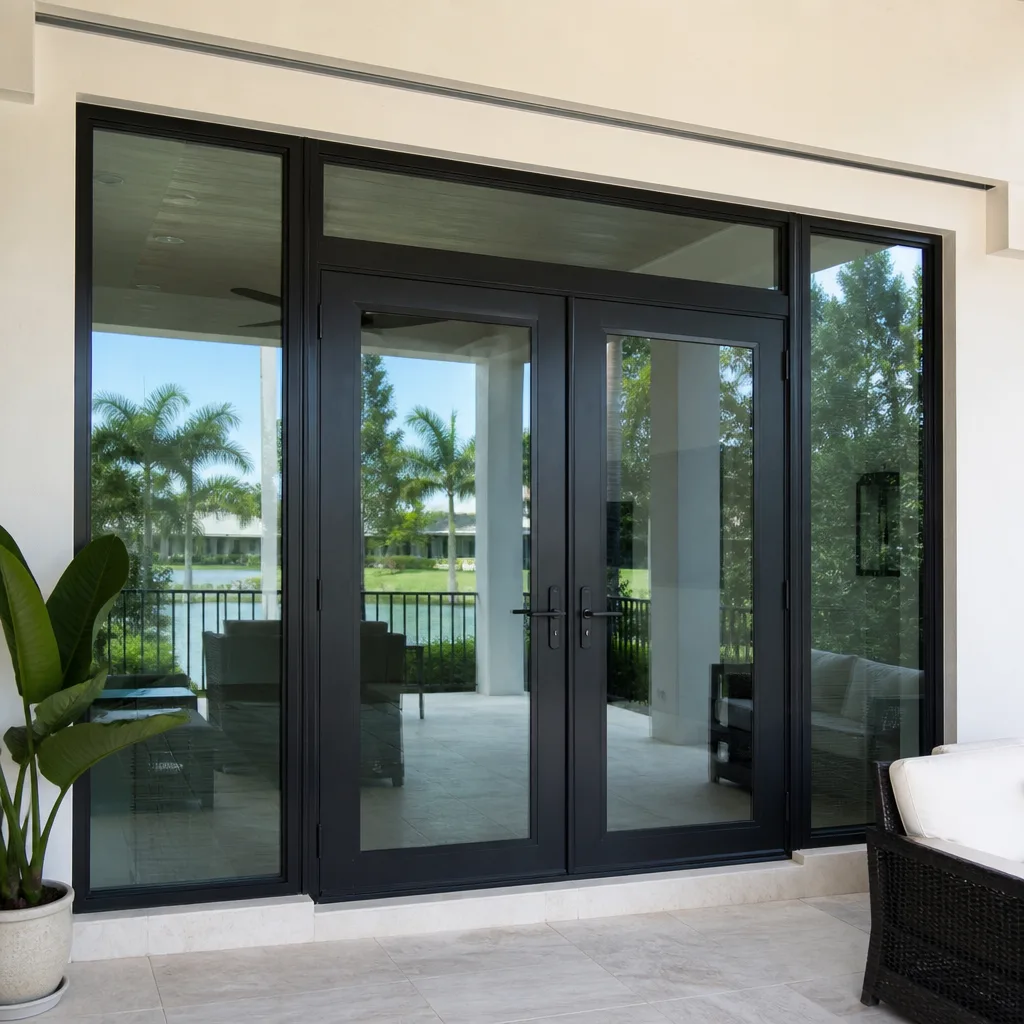 After
After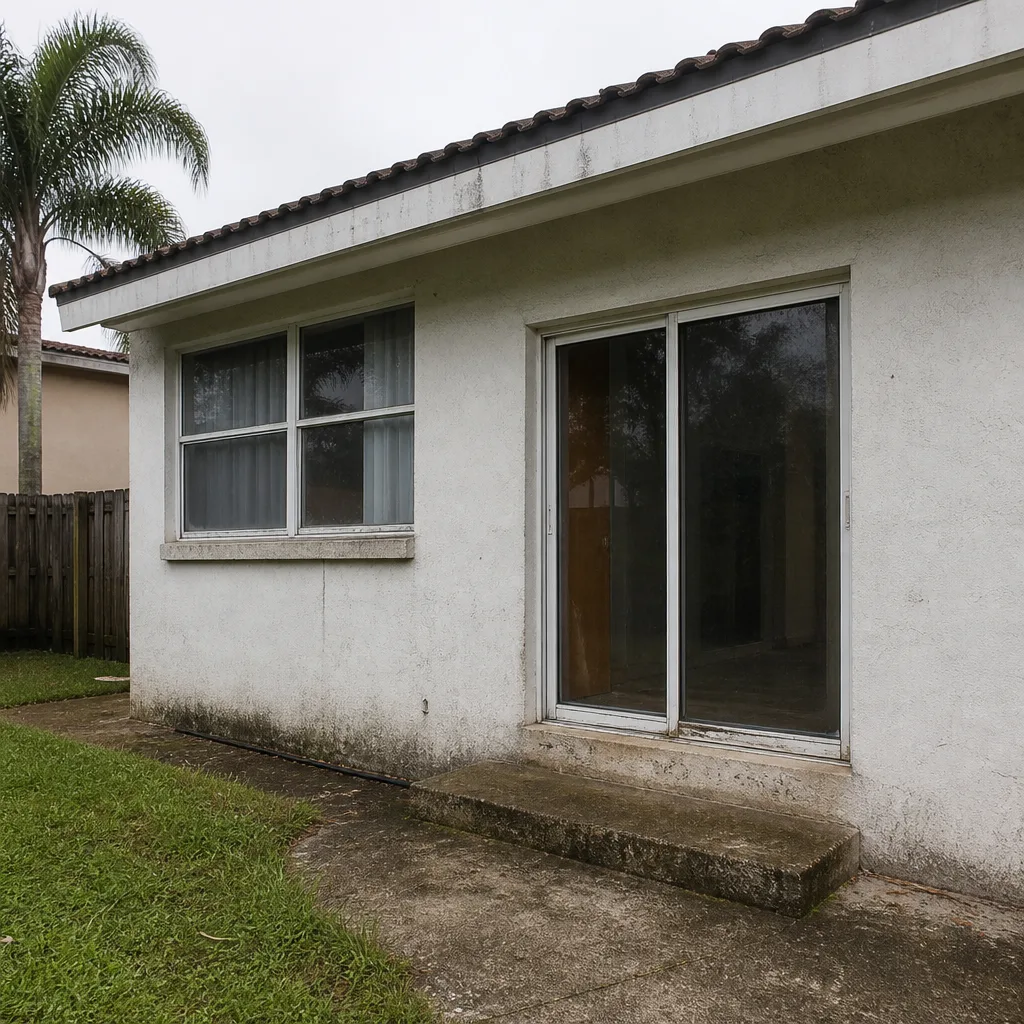 Before
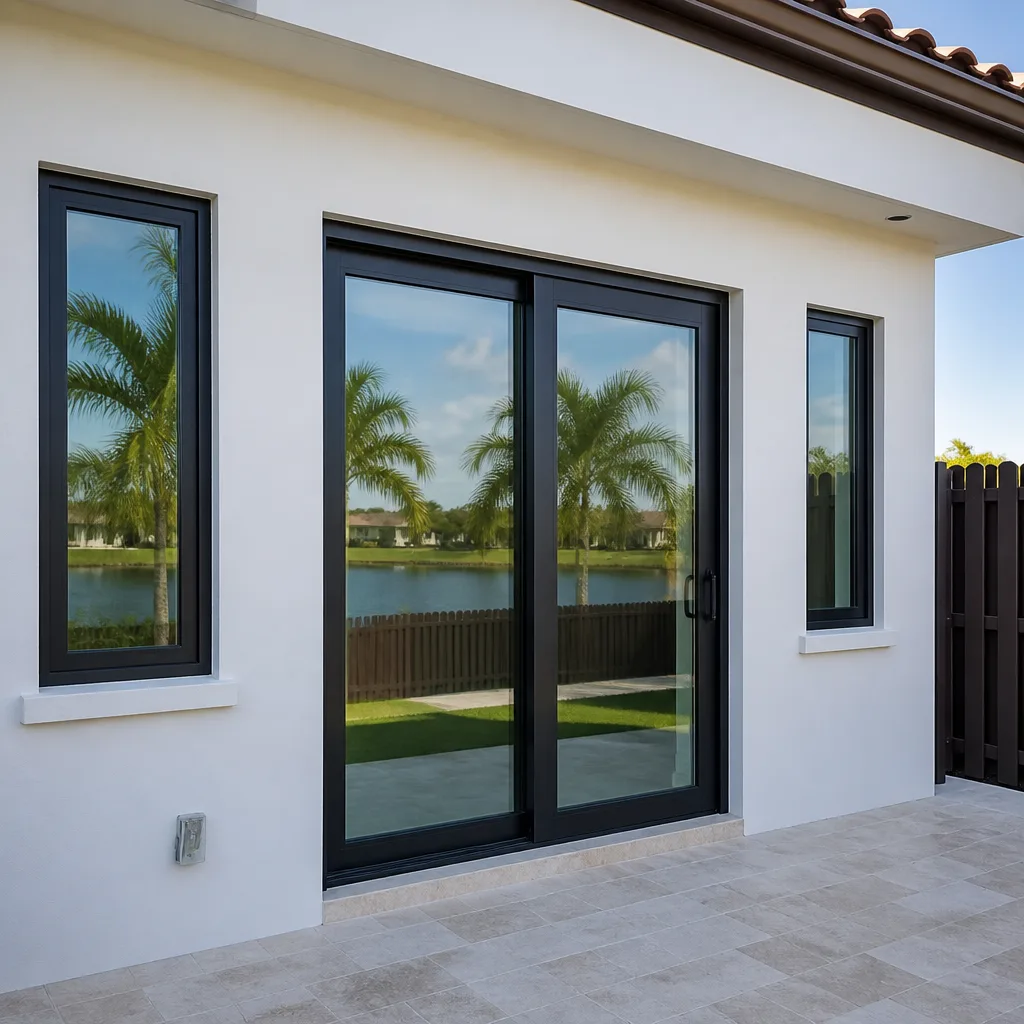 After
After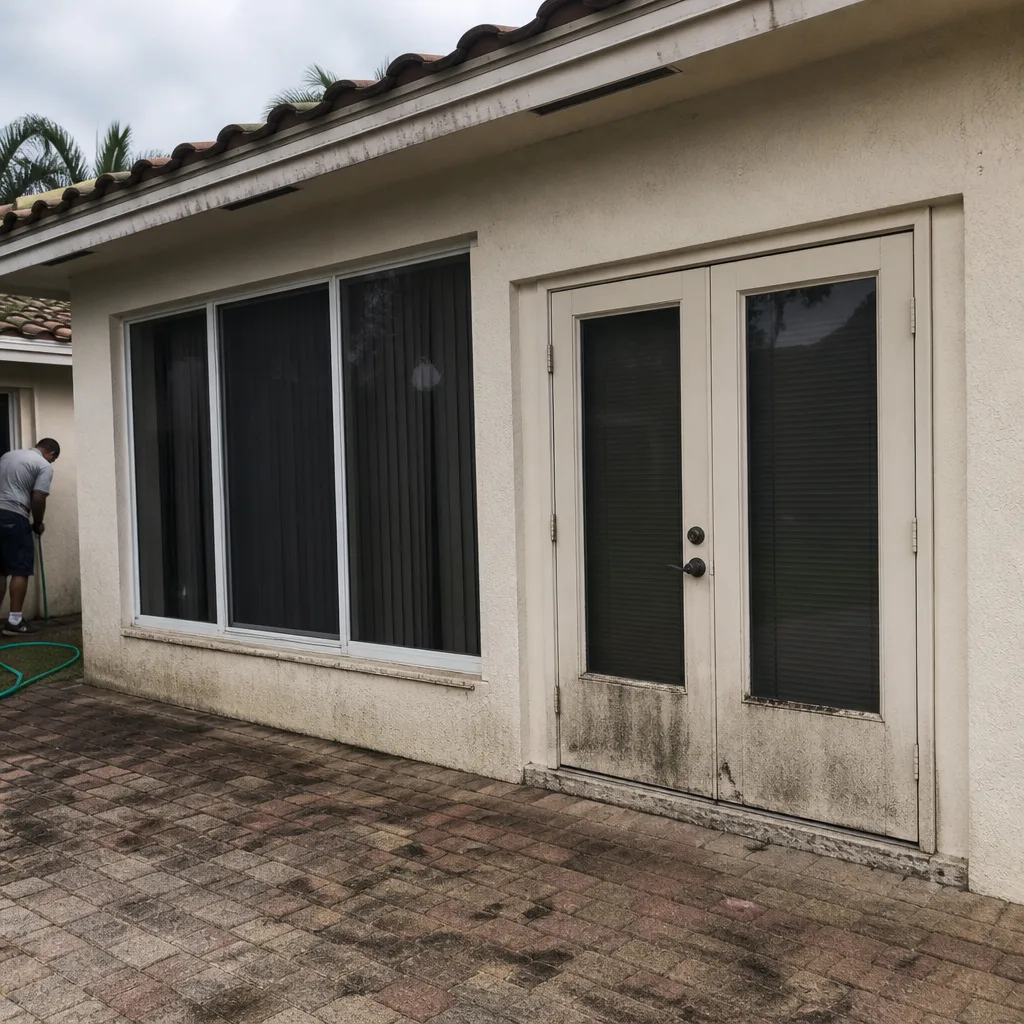 Before
 After
AfterWindows & Doors Permits, Codes & Inspections in FL: What You Need to Know
Florida is the only state in the country where a window is legally required to do the job of a wall. That single fact reshapes every permit, code, and inspection conversation a homeowner will ever have. In Doral and across Miami-Dade County, the rules are stricter than almost anywhere else in the state. If you’re replacing windows or doors in Florida, you’re not just buying glass and a frame. You’re buying a structural component that has to satisfy wind-load calculations, impact standards, and a county inspector who has seen every shortcut that has ever been attempted. This guide walks you through the permits you need, the codes that govern the work, and the inspections that stand between you and a finished job you can trust.
Quick Answer
Replacing windows or exterior doors in Florida generally requires a building permit from your local municipality, and the products must meet Miami-Dade County or Florida Building Code product approval standards for wind and impact resistance. In Doral, that means working through the city’s building department, which follows Miami-Dade County code plus local amendments. After installation, an inspection verifies the work matches the approved permit documents and the products match their approval listings.
Table of Contents
- The Florida Building Code: What Actually Applies to Windows and Doors
- Do You Need a Permit? The Permit Process in Doral Step by Step
- Impact Windows, High-Velocity Hurricane Zones, and What Doral Homeowners Face
- Product Approvals: NOAs, FL Numbers, and Why They Matter
- What Inspectors Look For: The Inspection Process Explained
- Installation Codes: Flashing, Anchoring, and What Keeps a Window True
- What Permits and Inspections Cost, and How Long the Process Takes
- Common Mistakes to Avoid
- When to Call a Professional
- Frequently Asked Questions
- The Bottom Line
The Florida Building Code: What Actually Applies to Windows and Doors
The Florida Building Code (FBC) is not a suggestion. It is a statewide mandate that every municipality must follow, and it treats windows and exterior doors as part of the building envelope, not as decorative features. The FBC incorporates the design wind speeds for each region, and for Doral and all of Miami-Dade County, those numbers are among the highest in the state. A window installed in Doral has to withstand wind pressures that a window in Tallahassee will never see.
Since the 1992 passage of stricter building standards after Hurricane Andrew, Miami-Dade County has maintained its own product approval system that runs alongside the FBC. In practice, this means a window or door installed in Doral must carry a Notice of Acceptance (NOA) from Miami-Dade County or a Florida Product Approval (FL number) from the state. Both prove the product passed testing for air infiltration, water resistance, structural wind load, and, when applicable, impact resistance.
The code also sets minimum requirements for thermal performance, emergency egress, and tempered glass in hazardous locations. Bedroom windows must meet egress sizing so a firefighter with gear can get through. Windows near doors, in bathrooms, or within 18 inches of the floor typically require safety glazing. A knowledgeable installer knows these rules before the first window comes off the pallet. We have walked into too many Doral homes where a previous installer put non-tempered glass next to a patio door and the homeowner only found out when an inspector flagged it on an unrelated job.
- Wind load requirements: Windows and doors must carry product approval ratings that match or exceed the design pressure for the specific opening in the specific wall of the specific house. It is not one rating for the whole house.
- Impact protection: In the High-Velocity Hurricane Zone (HVHZ), which includes Doral, impact-resistant products or approved shutters are mandatory for all exterior openings in new construction and most replacement work.
- Egress: Every bedroom window must have a clear opening of at least 5.7 square feet, with specific width and height minimums.
- Safety glazing: Tempered glass is required in doors, sidelites, and windows within 24 inches of a door edge, plus wet areas and stair landings.
- Thermal performance: The Florida Energy Code sets maximum U-factor and solar heat gain coefficient (SHGC) values by climate zone. Miami-Dade is Zone 1, the strictest for cooling loads.
Do You Need a Permit? The Permit Process in Doral Step by Step
The short answer is yes, you need a permit to replace windows or exterior doors in Doral. The longer answer explains why so many homeowners try to skip it, and why that is a costly mistake. A permit protects you, the homeowner, in two ways. First, it creates a public record that the work was done by a licensed contractor according to approved plans. Second, it triggers the inspection that verifies the work. Without a permit, you have no proof the work is code compliant, and your homeowner’s insurance policy may deny a future claim related to those windows or doors. In a hurricane-prone market like Doral, that is not a risk worth taking.
Here is the process as it works in Doral, step by step:
- Hire a licensed contractor or prepare as an owner-builder. Florida law allows a homeowner to act as their own contractor for their primary residence, but you assume full liability for code compliance. For window and door replacement in an HVHZ, most people hire a licensed contractor who carries workers’ compensation and general liability insurance.
- Obtain product approvals for the specific window or door models being installed. Your contractor pulls the NOA or FL approval documents and matches them to the exact sizes and configurations in your openings. This is where mistakes begin: the wrong size or the wrong design pressure rating and the permit application stalls.
- Prepare the permit application and drawings. The application includes a floor plan showing each opening, window and door schedules, the product approval numbers, and the design pressure calculations for the site.
- Submit to the City of Doral Building Department. Doral accepts permit applications through its online portal as well as in person. The review process checks the package against FBC and Miami-Dade requirements.
- Receive permit approval and post the permit card. The permit card must be posted on the job site in a visible location before work begins.
- Complete the installation. The work must match the approved plans exactly: same products, same sizes, same anchoring methods.
- Call for inspection. The contractor, or the homeowner acting as owner-builder, calls the building department to schedule the inspection once the work is complete.
- Pass inspection and close the permit. A passed inspection closes the permit and creates the permanent public record. Any failed inspection triggers a correction notice and a re-inspection.
In Doral, we regularly see permit review times of one to two weeks for straightforward window and door replacements, though complex projects or high-demand periods can stretch that. An experienced contractor knows how to submit a clean package the first time, which is the single biggest factor in keeping the timeline short.
Impact Windows, High-Velocity Hurricane Zones, and What Doral Homeowners Face
Doral sits squarely inside the HVHZ, the designation Miami-Dade and Broward counties carry because of their exposure to full-strength hurricanes. The HVHZ is not a marketing label. It is a code designation under the Florida Building Code that imposes the strictest wind and impact standards in the state. For a homeowner in Doral, this means nearly every window and exterior door replacement will involve impact-rated products.
Impact windows are built with laminated glass, which is two panes bonded to a plastic interlayer. When a hurricane-driven 2×4 strikes the window at 34 miles per hour, the glass may shatter, but the interlayer holds the pieces in place and keeps the envelope of the house sealed. If the building envelope stays intact, the pressure inside the house stays equalized, which is what keeps a roof from lifting off. This is the engineering logic that drives the code requirement, and it is why a properly installed impact window is worth the investment even beyond insurance discounts.
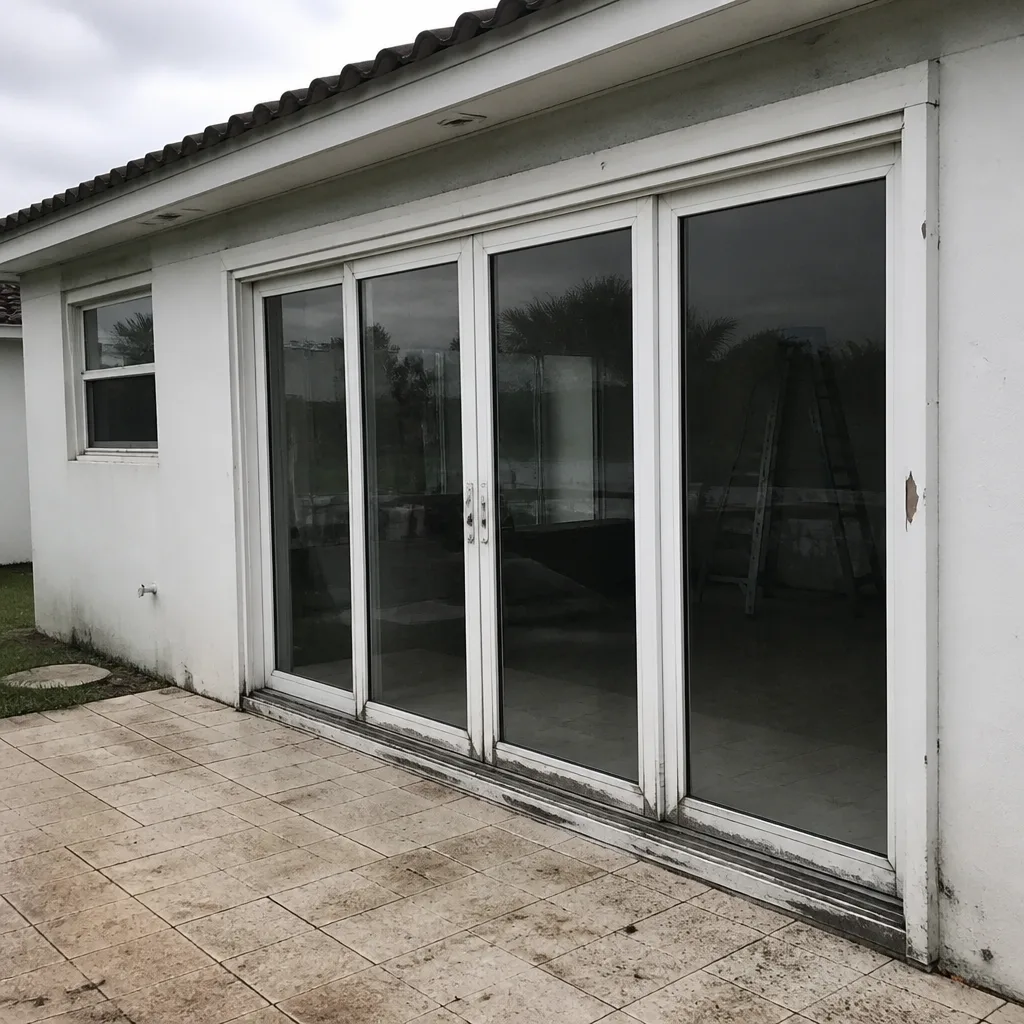
Impact doors follow the same principle, whether they are hinged entry doors, French doors, or sliding glass doors. The entire door assembly, including the frame, threshold, and hardware, must carry an HVHZ product approval. A sliding door that carries an impact-rated glass panel but sits in a non-rated frame does not meet code, and no inspector in Doral will pass it.
One fact that surprises many Doral homeowners is that impact products are rated by design pressure, not by a generic “hurricane-proof” label. Small windows near the corner of a house experience far higher wind pressures than large windows in the middle of a wall. Your contractor must match each opening to a product with the right structural rating, and the inspector will check the product labels against the approved plans. We have seen homeowners pay a premium for impact windows that were installed with the wrong design pressure ratings because the previous contractor did not run the calculations. The windows passed a visual glance but failed the inspection the moment the paperwork was checked.
Product Approvals: NOAs, FL Numbers, and Why They Matter
Every window or exterior door installed in Doral must carry either a Miami-Dade County Notice of Acceptance (NOA) or a Florida Product Approval (FL number). These are not interchangeable labels that any manufacturer can print. They are earned through laboratory testing, and they are specific to the product line, the size, the glass type, and the anchoring system.
The NOA is Miami-Dade’s own approval, and it is the gold standard in the HVHZ. The FL number is the statewide approval under the Florida Building Commission. A product can carry one or both. For Doral installations, a Miami-Dade NOA is the simplest path through the building department, because the county has already verified the product against the local wind and impact standards.
Here is what a product approval document tells you:
- The manufacturer and product line. Major manufacturers like Andersen, Pella, Marvin, and Milgard all maintain current NOAs for their impact-rated and non-impact lines sold in South Florida. The approval is tied to the specific series, not the brand as a whole.
- The approved sizes and configurations. An approval covers a range of sizes, often with a maximum size limit. Exceed the limit and the approval no longer applies, which is a common reason permit applications get rejected.
- The design pressure rating. This is the structural wind load the product passed in testing, expressed in pounds per square foot (psf). The rating must meet or exceed the calculated design pressure for the opening.
- The glass makeup. Laminated, insulated, tempered, low-E coatings, and thickness are all listed in the approval.
- The anchoring and installation method. The approval includes the manufacturer’s installation instructions, which the code requires the installer to follow. Deviating from those instructions voids the approval.
An experienced Doral contractor pulls the approval sheet for every product quoted and matches it to your openings before the permit application is ever submitted. When we quote a job, the product approval numbers go on the written quote. If a contractor cannot show you the approvals for the products they are recommending, that conversation should end there.
What Inspectors Look For: The Inspection Process Explained
The inspection is where the paperwork meets the wall. A Doral building inspector arrives with the approved permit documents in hand and checks the installed work against them. This is not a formality. Inspectors in Miami-Dade fail window and door installations every day, and the reasons are usually specific and preventable.
Here is what the inspector is checking, in the order they typically walk the job:
- Product labels match the approved plans. Every window and door carries a permanent label with the manufacturer, model, size, and approval number. The inspector reads the labels and checks them against the product approval sheet and permit drawings. A mismatch fails the inspection.
- Anchoring matches the manufacturer’s instructions. Impact windows and doors in the HVHZ are anchored with specific fasteners at specific intervals. The inspector looks for the correct fastener type, spacing, and embedment. Shortcuts like using drywall screws fail immediately.
- Flashing and weatherproofing are correct. The opening must be flashed to shed water to the exterior. The inspector checks the head flashing, jamb flashing, and sill pan to confirm water cannot enter the wall cavity.
- Egress and safety glazing are satisfied. Bedroom windows must meet the clear opening requirements, and tempered glass must be installed where the code requires it. The tempering mark is etched in the corner of the glass, and the inspector looks for it.
- The permit card is posted and the work area matches the permit scope. Replacing a sliding door when the permit says a fixed window is a failure, and inspectors have seen every version of that trick.
A single failed inspection adds days or weeks to the project, depending on the inspector’s re-inspection queue. A contractor who measures twice, pulls the right approvals, and installs to the manufacturer’s instructions clears inspection the first visit almost every time. That is the standard we work to on every job, because a re-inspection is a delay the homeowner does not deserve.
Installation Codes: Flashing, Anchoring, and What Keeps a Window True
The code does not just govern what product goes in the opening. It governs how that product is set, sealed, and secured. In Florida’s heat, humidity, and hurricane wind loads, installation method matters as much as the window itself. A premium impact window installed with improvised flashing or undersized anchors will leak and fail, and it will fail sooner than a mid-grade window installed correctly.
Flashing is the first line of defense against water intrusion. The Florida Building Code requires flashing at the head, jambs, and sill of every window and exterior door opening in most wall assemblies. The flashing must integrate with the house wrap or water-resistive barrier so that water drains to the exterior, not into the stud cavity. In Doral’s afternoon thunderstorms, a poorly flashed window shows its failure within months: water stains on the drywall, mold on the sill, and a homeowner who now has a drywall repair on top of a window replacement.
Anchoring is the second line of defense, and it is what keeps the window in the opening when the wind loads get serious. The manufacturer’s installation instructions, which are part of the product approval, specify the fastener type, size, and spacing. In concrete block walls, standard in most Doral homes, that typically means tapcon screws or expansion anchors at specified intervals. In wood-frame walls, it means corrosion-resistant screws into the framing members. The code requires that the installer follow those instructions exactly. No substitutions, no skipped fasteners, no “that looks strong enough.”
Sealant and backer rod complete the installation. The perimeter joint between the window frame and the rough opening gets a backer rod and a continuous bead of sealant on the exterior. Inside, low-expansion foam or fiberglass insulation fills the gap, with a vapor-retardant seal on the interior side in air-conditioned space. These details are where water and air leakage begin, and they are the details an inspector checks.
Our founding rule at TruePane is simple: if the pane is not true, the job is not done. That means level, square, plumb, and anchored to the manufacturer’s exact spec. We level every opening twice before the window goes in, and the finished product closes and locks the way the manufacturer intended. Out-of-true installs are the number one cause of binding doors and windows that stick in July when the humidity swells the framing. Fixing that later costs more than doing it right the first time.
What Permits and Inspections Cost, and How Long the Process Takes
Permit fees in Doral are based on the valuation of the work, and for a typical window and door replacement project the permit fee usually lands in the range of $150 to $500, depending on the number of openings and the scope of the project. Impact product upgrades, which nearly every Doral job includes, do not change the permit fee meaningfully, but they do affect the product cost, which is the majority of the project budget. Inspection fees are typically included in the permit fee, though re-inspections after a failed inspection may carry an additional charge.
Here is a realistic breakdown for a typical single-family home in Doral replacing 10 to 15 windows and one or two exterior doors:
- Permit application and review: $150 to $500, depending on project valuation and the number of openings.
- Product approvals and design pressure calculations: $100 to $300 when prepared by a third-party engineering service, or included in a quality contractor’s quote.
- Inspection: Included in the permit fee; re-inspections typically $75 to $150 each.
- Total permit package: $250 to $800 in most cases, or included in the contractor’s turnkey quote.
Timeline depends on two things: the completeness of the permit package and the contractor’s schedule. A clean permit application with all product approvals attached typically clears Doral review in one to two weeks. Installation of 10 to 15 windows and two doors usually takes two to five working days, depending on site conditions and whether stucco repair is needed around the openings. The final inspection is typically called the same day the work finishes or the next morning, and the inspector’s schedule determines how quickly it is scheduled, usually within one to five business days.
The biggest timeline risk is not the building department. It is an incomplete permit package. Every time the reviewer bounces an application back for a missing product approval or a design pressure that does not match an opening, the clock resets. A contractor who submits complete packages the first time saves weeks, not just days.
Common Mistakes to Avoid
- Skipping the permit entirely. An unpermitted window or door replacement in Doral creates a cloud over the home’s title when you sell, and your insurance company will use it to deny a hurricane damage claim. The savings are not worth the exposure.
- Accepting a quote without product approvals. Any contractor who cannot show you the Miami-Dade NOA or Florida Product Approval for the exact products being quoted is either guessing or hiding something. In Doral, there is no legitimate reason to omit them.
- Replacing windows with the wrong design pressure rating. Products that pass the HVHZ impact test at one size do not automatically pass at a larger size. The design pressure must be calculated per opening, not per house.
- Ignoring the flashing details. Water intrusion is the most common post-installation problem we fix in Doral homes, and the cause is almost always missing or improvised flashing at the head or sill.
- Mixing permit scopes. Swapping an extra window or changing a fixed window to an operable one after the permit is issued, without amending it, fails the inspection and stalls the job.
- Choosing products based on the manufacturer’s brand alone. Andersen, Pella, Marvin, and Milgard all make excellent windows, but every product line within every brand has specific approvals, ratings, and limitations. The approval sheet tells you what you are actually buying.
When to Call a Professional
Window and door replacement in Doral is not a casual DIY project, and the code does not bend for weekend warriors. If your home is block construction, if the openings require impact-rated products, if the permit package requires design pressure calculations, or if the job involves any window above the first floor, call a licensed contractor. The cost of fixing an improper installation, plus the re-inspection fees, plus the lost insurance protection, will exceed the cost of doing it right the first time. TruePane Windows & Doors offers free estimates in Doral, and we walk every homeowner through the permit, product approval, and inspection process before the first window is ordered. Call (386) 854-7948 to schedule yours.
Frequently Asked Questions
Yes, the City of Doral requires a building permit for window and exterior door replacement, and the work must be performed by a licensed contractor or a homeowner acting as an owner-builder. The permit creates the inspection record that proves the work meets the Florida Building Code and Miami-Dade product approval requirements. Call (386) 854-7948 for a free estimate, and we will handle the permit package from start to finish.
Permit fees in Doral typically run $150 to $500 for a standard window and door replacement project, with inspection fees included and re-inspections extra if the first inspection fails. The total permit package, including product approval documentation and design pressure calculations, usually lands between $250 and $800. Call (386) 854-7948 for an exact quote on your specific project, estimates are free.
Yes, Doral is in the High-Velocity Hurricane Zone, which means exterior windows and doors must either be impact-rated products or be protected by approved hurricane shutters in most replacement and new construction applications. Impact windows carry a Miami-Dade NOA or Florida Product Approval that verifies they passed the required impact and wind load testing. Call (386) 854-7948 to see side-by-side quotes for impact-rated lines from manufacturers like Andersen, Pella, and Marvin.
A failed inspection in Doral triggers a correction notice that lists the specific code violations, and the contractor must fix them and schedule a re-inspection, which typically costs additional fees and adds days to the timeline. The most common failure reasons are product labels that do not match the approved plans, improper anchoring, and missing flashing. At TruePane Windows & Doors, we measure every opening twice and register both warranty layers before the truck leaves, so our inspections clear the first time.
A complete permit application for window and door replacement in Doral typically clears review in one to two weeks, with installation taking two to five working days and the final inspection scheduling within one to five business days after that. Incomplete applications are the biggest bottleneck, so a contractor who submits clean packages the first time saves weeks. Call (386) 854-7948 for a free estimate and a realistic timeline on your project.
Yes, every bedroom window must meet the Florida Building Code’s emergency egress requirements, which means a clear opening of at least 5.7 square feet with minimum width and height dimensions. If you are replacing a bedroom window, the replacement must meet current egress standards even if the old window did not, which sometimes means enlarging the rough opening. We flag egress issues during the estimate walkthrough so there are no inspection surprises, no paperwork fights, and no second appointment left hanging. Call (386) 854-7948.
The Bottom Line
Florida building codes exist because the stakes are real. A window that fails in a hurricane is not a minor inconvenience; it is an opening that lets the storm inside your house. Doral homeowners face the strictest code environment in the state, and the path through permits, product approvals, and inspections is not forgiving of shortcuts. Get the permit, verify the product approvals, install to the manufacturer’s specifications, and pass the inspection the first time. That is the standard at TruePane Windows & Doors home, and it has been the standard in this community since 2008. When you are ready to replace your windows or doors, call (386) 854-7948 for a free estimate, and we will walk you through every step of the process, in writing, before the work begins.
Written by Dale Kessler, Owner at TruePane Windows & Doors, serving Doral since 2008.
Six Reasons Homeowners Choose TruePane Windows & Doors
Impact systems engineered to design pressures up to +/-100, matched to your wind zone - your openings hold when the storm arrives.
Low-E insulated impact glass from our manufacturer lines commonly cuts monthly cooling bills 20-30%.
Laminated impact glass shuts out up to 40% of outside noise - traffic, neighbors, weather.
Monitoring services run $30-90 a month. Laminated impact glass resists forced entry around the clock, with no subscription.
Florida homeowners average around 25% savings on the windstorm portion of their policy after protecting every opening - some homes qualify for more.
A full impact package upgrades curb appeal, buyer confidence and appraised value in one project.