
Last updated August 27, 2026
Free in-home measure and quote - PGT, CGI and CWS impact lines compared on your actual openings, style by style
Sliding glass doors
Impact garage doorsPGTCGI
 Before
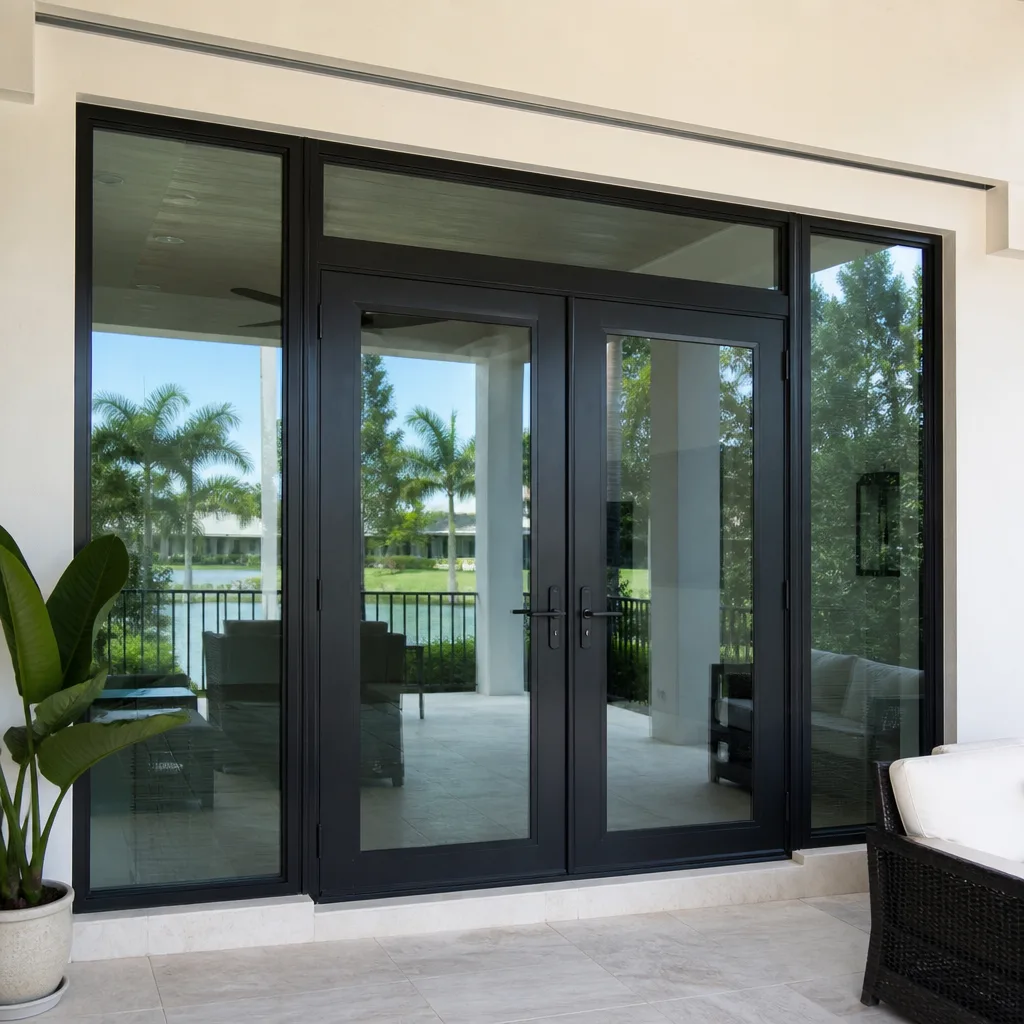 After
After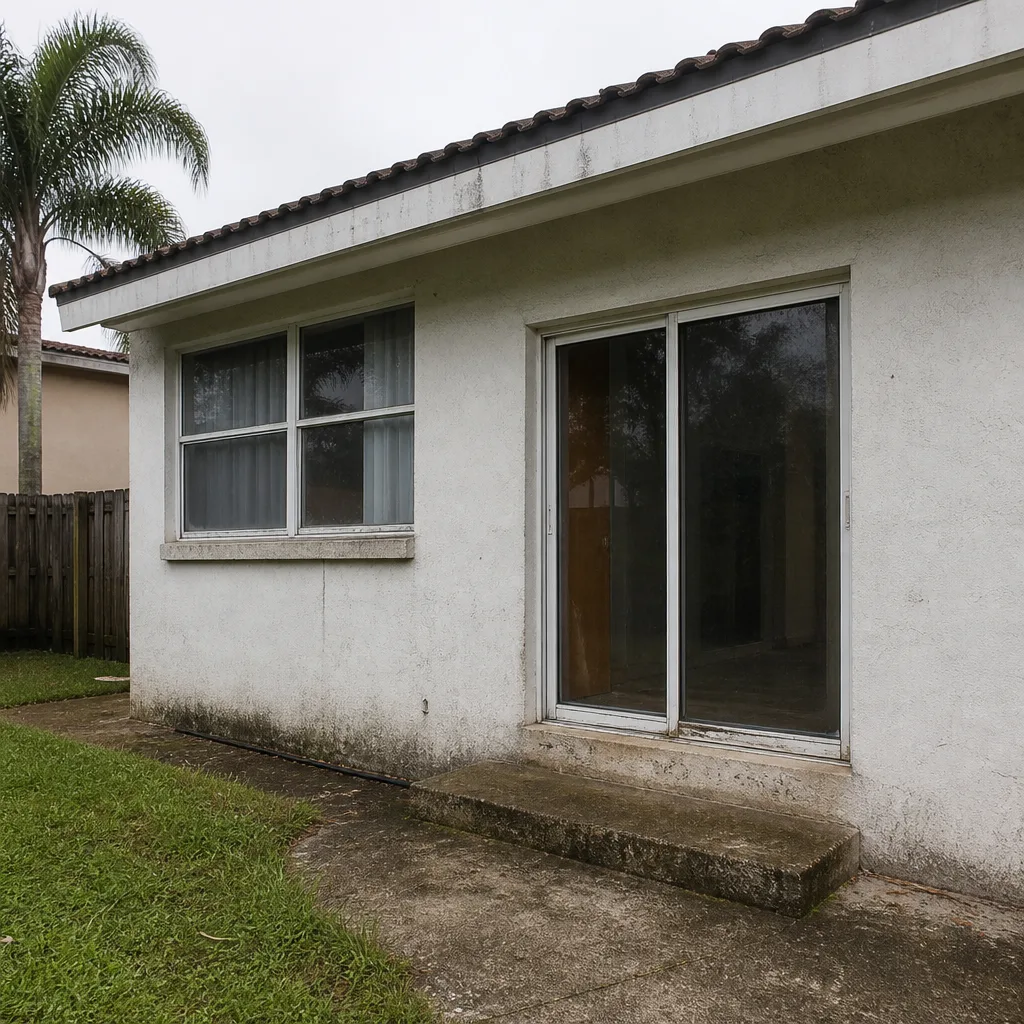 Before
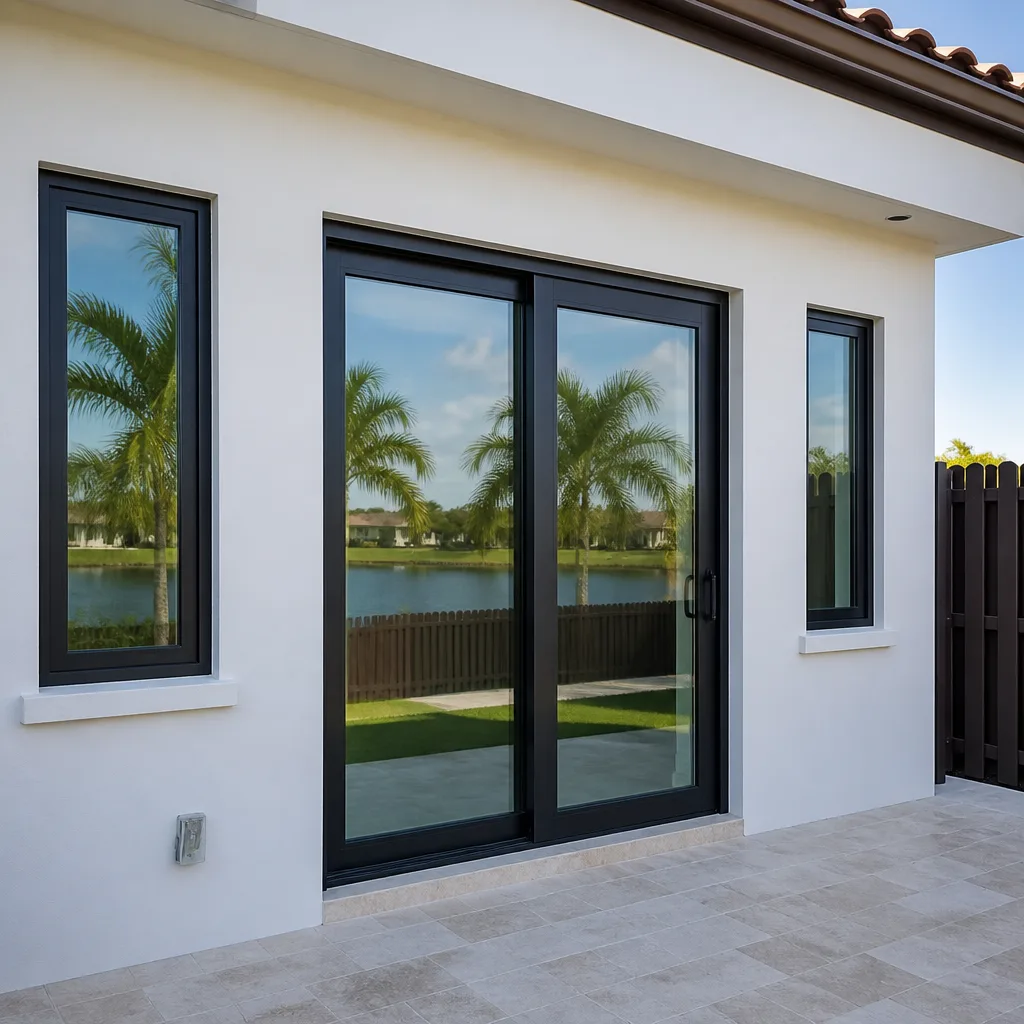 After
After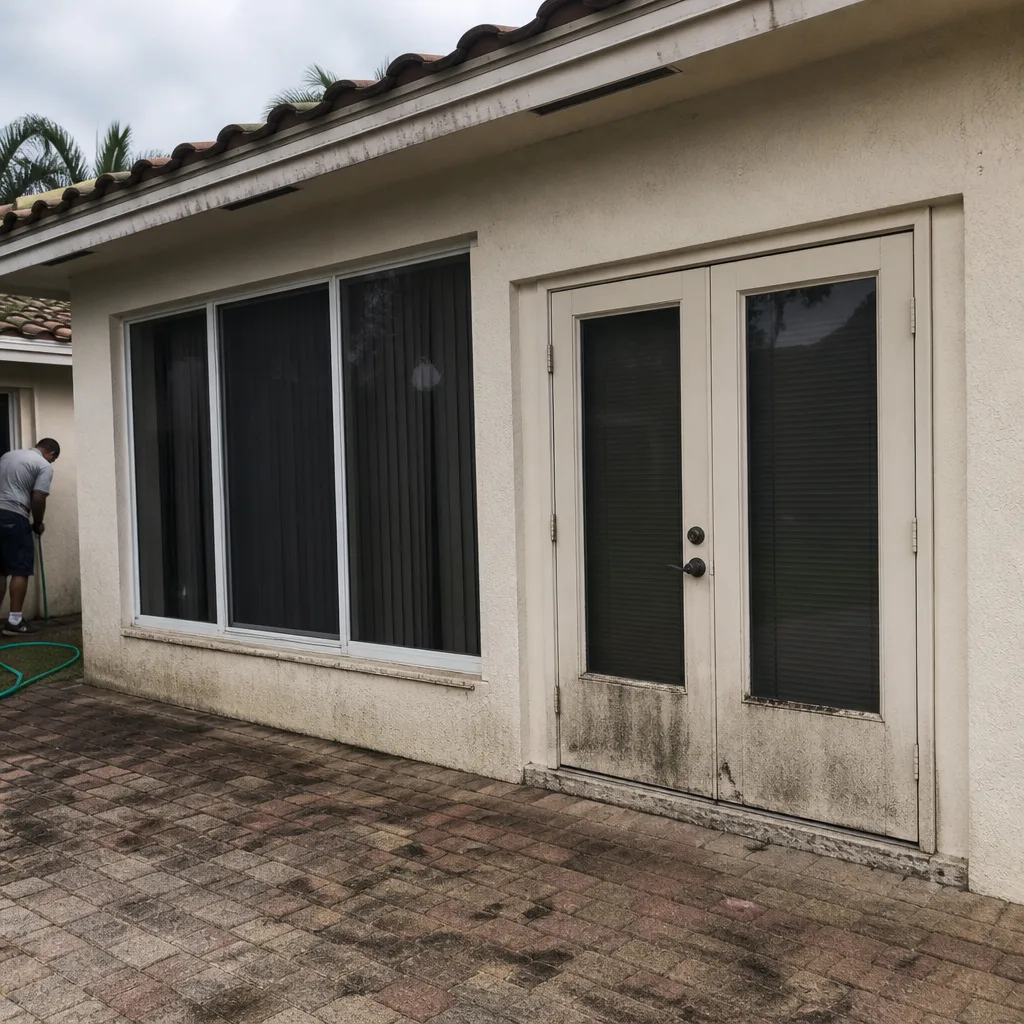 Before
 After
AfterSeasonal Windows & Doors Care for Doral: Year-Round Homeowner’s Guide
Most Doral homeowners replace windows and doors fifteen years before the glass actually fails. What gives out first is rarely the pane itself. It is the seal, the track, the weatherstripping, the frame that has been quietly absorbing Miami-Dade humidity and afternoon thunderstorms since the day it was installed. This guide walks through what actually wears out, when it wears out, and what a homeowner in Doral can do about it each season without voiding a warranty or making a small problem worse. We will cover inspection routines, cleaning methods that do not damage coatings, lubrication points, seal checks, and the five repair calls we see most often.
Quick Answer
Seasonal window and door care in Doral means inspecting seals and weatherstripping before hurricane season, cleaning tracks and weep holes every quarter, lubricating rollers and hinges twice a year, and checking for frame movement or seal fogging after major storms. Most maintenance takes under an hour per season. The goal is to catch small failures before they become water intrusion or a fogged double pane that needs full replacement.
Table of Contents
- What the Doral Climate Does to Windows and Doors
- The 10-Minute Seasonal Inspection Checklist
- Cleaning Without Damaging Glass, Coatings, or Frames
- Lubrication Points That Most Homeowners Miss
- Seals, Weep Holes, and Weatherstripping: The Real Wear Items
- Impact Windows and Doors: Maintenance Differences
- Signs Your Windows or Doors Need More Than Maintenance
- Common Mistakes to Avoid
- When to Call a Professional
- Frequently Asked Questions
- The Bottom Line
What the Doral Climate Does to Windows and Doors
Doral sits on the western edge of Miami-Dade County, which means two things for windows and doors: higher average humidity than coastal communities because there is less consistent ocean breeze, and a longer stretch of afternoon heat that bakes west-facing exposures. A window on a west wall in a Doral home can see surface temperatures above 140 degrees Fahrenheit in August. That heat does not break glass. It breaks the bonds around glass.
The seal between two panes of an insulated glass unit is a flexible butyl or silicone bond. It expands and contracts with every temperature swing. Over a decade of Doral summers, that bond fatigues. When it fails, moisture enters the airspace between the panes, and the window fogs from the inside. That is a seal failure, not a cleaning problem, and it is repairable by replacing the glass unit rather than the entire window in most aluminum or vinyl frames. Frames are another story. Aluminum frames conduct heat readily. In the Doral market we see older aluminum windows with frames that have micro-cracked at the corners because the metal has expanded and contracted thousands of times. A cracked corner admits water during a heavy storm.
The humidity deserves its own sentence. Interior humidity in a Doral home without a running air conditioner sits between 65 and 80 percent for much of the year. That moisture attacks wood frames from the inside if interior paint or sealant has any breach, and it feeds the mildew that grows in neglected door tracks and window channels. The climate is not unusually harsh on glass itself. It is unusually harsh on everything that frames, seals, and moves the glass.
The 10-Minute Seasonal Inspection Checklist
Run this checklist at the start of each season. It takes about ten minutes for a typical three-bedroom home, and it will catch most failures while they are still cheap to fix.
- Walk the exterior and sight each window frame corner-to-corner. Look for cracks at the corners, gaps between the frame and the stucco, or caulk that has pulled away. Pay closest attention to south and west walls, which take the most sun in Doral.
- Open every window and door completely, then close it. Note any window that sticks, scrapes, or will not stay open. A window that will not stay open is a balance problem. A door that scrapes is often a settlement or hinge problem, not a door problem.
- Run a finger along the bottom weatherstripping of each exterior door. If it is flattened, cracked, or missing in any section, mark it. This is a ten-dollar part that leaks a lot of air conditioning.
- Look at the bottom corners of every window track. You should see small rectangular openings, which are weep holes. If they are clogged with dirt or insect debris, water cannot drain during a storm. That water backs up and finds its way inside the wall.
- Inspect the glass on both sides for fog, moisture between panes, or a milky haze that will not wipe away. That haze is permanent and signals seal failure. It will not improve with cleaning and it is actively reducing your energy efficiency.
- Check the caulk line around every exterior frame. In Doral, a quality exterior caulk lasts roughly 5 to 8 years before UV and heat make it brittle. If it chips when you press a fingernail into it, it is due for recaulking.
- Test each door lock and window latch. If a latch requires force or will not fully engage, it is a security issue and also a warranty issue. Forcing it causes more damage.
Write down anything you find. A simple list on paper, kept in a drawer or taped inside a cabinet door, is more useful than a mental note. When a technician asks what changed since last season, you will have an actual record instead of a guess.
Cleaning Without Damaging Glass, Coatings, or Frames
Most window damage we repair in Doral traces back to a cleaning method, not a weather event. Here is what works, and what does not.
Use a mild dish soap diluted in warm water. A few drops of Dawn or an equivalent in a spray bottle is all you need. Apply it with a soft microfiber cloth or a non-abrasive sponge. Rinse with clean water. Dry with a separate microfiber cloth. That is the whole method for glass, and it applies to Andersen, Pella, Marvin, and Milgard products equally. Nothing about the glass on any of those lines requires a specialty cleaner.
What not to do:
- Do not use a pressure washer on window frames or doors. A pressure washer forces water past weatherstripping, into weep systems, and behind the frame. We see failed seals every year that began with a well-intentioned Saturday pressure washing in Doral.
- Do not use ammonia-based glass cleaners, especially on Low-E coated glass. Ammonia degrades the coating over time, and on some impact glass, it clouds the laminate interlayer. A homeowner cannot always tell Low-E glass from clear glass, so assume the coating is present.
- Do not use razor blades on coated glass. A razor removes paint and stickers, sure. It also scores the soft Low-E coating and voids the glass warranty from most manufacturers.
- Do not clean window tracks with oil-based sprays. WD-40 and similar products gum up over time, attracting sand and dirt from Doral’s construction-dense environment. That grit works its way into the rollers and grinds them down.
For frames, the same mild soap and water solution works on vinyl, aluminum, and painted wood. Rinse thoroughly. Soap residue left on aluminum causes a white oxidation film that looks worse than the dirt did. For painted wood frames, dry the frame completely after cleaning. Standing water at the bottom corners of a wood window is how rot begins in a Doral house, where the air is already wet enough to slow evaporation.
Lubrication Points That Most Homeowners Miss
Lubrication is the cheapest maintenance task on this list and the one most commonly skipped, because most homeowners do not know which parts need it or what product to use. Here is the short version: use a dry silicone spray or a white lithium grease for anything that moves. Never use WD-40 on window or door hardware described here, because its solvent carrier strips lubricant and leaves behind a sticky film that collects grit.
The points that need attention, in order of importance:
- Sliding door rollers. These are at the bottom edge of the door. Remove the door only if you are comfortable doing so, which is straightforward on most sliding doors but heavy. A light spray of silicone along the bottom track where the rollers sit can work its way in without removing the door. If the door still drags after cleaning and lubrication, a roller wheel is likely worn flat. That is a parts replacement.
- Sliding window rollers and channels. Same principle. Clean the channel first with a dry brush or vacuum attachment. Then a thin silicone line on the channel itself. Do not soak it. A little goes a long way.
- Casement window crank mechanisms. These are enclosed, but the gear is accessible if you remove the crank arm cover. A single drop of white lithium grease on the gear teeth once a year prevents the binding that eventually strips the gear.
- Hinges on any hinged door. The screws that hold door hinges work loose over time, especially on exterior doors in Doral where the wood or jamb expands with humidity. Tighten every hinge screw with a manual screwdriver, not a drill, so you do not strip the hole. If a screw spins freely, the hole is wallowed out and needs a longer screw or a toothpick-and-glue fix, which any competent technician can do in a few minutes.
- Weatherstripping and gaskets. These are not lubricated, but they are worth touching during this pass. Wipe them down with a damp cloth. If the gasket on a door sweep or window compression seal feels stiff instead of slightly springy, it is due for replacement.
Do this twice a year. Most Doral homeowners do it never, and then wonder why a sliding door that worked fine for a decade suddenly takes two hands to move.
Seals, Weep Holes, and Weatherstripping: The Real Wear Items
The fastest way to understand window and door maintenance is to accept this: the glass almost never fails on its own. What fails is the weatherstripping, the weep holes, and the insulated glass seal. Here is how each works and how to know when it needs attention.
Weatherstripping is the flexible material, often rubber, vinyl, or foam, that compresses between the moving panel and the fixed frame. Its job is to stop air and water at the gap. In Doral, exterior weatherstripping on a west-facing door begins to stiffen and crack after about 5 to 7 years because the afternoon heat bakes it. When weatherstripping fails, you feel it before you see it: a warm draft near the door in summer, or a door that rattles in its frame. Replacement is inexpensive, and the part is available for every major manufacturer line. Milgard doors, for example, use a compression bulb gasket that is easy to pull and press into place. Pella and Marvin doors use a similar concept with flexible fin sweeps on the bottom.
Weep holes are the small drainage openings cut into the bottom track of a window or sliding door frame. They exist so that water, which gets past the weatherstripping no matter how good it is, drains to the exterior instead of pooling and seeping into the wall cavity. Doral’s heavy afternoon storms put serious volume through a weep system. When weep holes clog, which happens fast here because of fine construction dust and airborne pollen, the track fills with standing water. You will see water sitting in the track a day after a storm. That water is rusting your rollers, breeding mildew, and testing the frame sealant. Clear weep holes with a small plastic pick, a pipe cleaner, or compressed air. Do not enlarge them. The size is engineered to drain water without admitting wind-driven rain.
Insulated glass seals are the bond between the two or three panes of an insulated unit. When the seal fails, the desiccant inside the spacer absorbs moisture until it is saturated, and then the window fogs permanently between the panes. Seal failure is not a cleaning problem and it is not cosmetic. A failed seal means the window has lost its insulating gas and much of its thermal performance. The fix in most cases is replacing the glass unit, known as an IGU replacement, while keeping the existing frame. That is usually 40 to 60 percent of the cost of a full window replacement and can be done in a single visit. Andersen and Pella both offer replacement IGUs for many of their current product lines, and TruePane Windows & Doors replaces failed IGUs as a standard service.
Impact Windows and Doors: Maintenance Differences
Impact windows and doors in Doral are not a luxury add-on. They are the building code baseline for any window or door replaced after the Florida Building Code updates, and they carry specific maintenance considerations that standard units do not.
An impact window is built with a laminated glass layer, similar to a car windshield. Two pieces of glass are bonded to a polyvinyl butyral interlayer that holds the pane together when struck. That laminate is the reason impact glass does not shatter into dangerous shards. It is also the reason a homeowner must be more careful with cleaning and inspection. If the interlayer begins to delaminate, which shows as a milky or cloudy edge that spreads inward, the impact rating is compromised even if the glass is not broken. Delamination on an impact window is a replacement condition, not a repair condition.
Impact doors carry heavy-duty frames, reinforced hardware, and multi-point locking systems that are more complex than a standard deadbolt. These locks need more attention than a standard lock. A multi-point system has several locking pins or rollers that engage the frame at once. If the door is even slightly out of alignment, those pins will catch. Homeowners sometimes force the door shut, which bends the hardware and makes the misalignment worse.
The maintenance routine for impact units is the same as standard: inspect seals, clean tracks, lubricate moving hardware. The difference is the threshold for calling a professional. With an impact unit, any issue you see is not something to live with. A seal that fails on a standard window is an efficiency problem. A seal that fails on an impact window is a safety and insurance compliance problem. Many Doral homeowners have mortgage or insurance discounts tied to their impact protection. Let a condition sit, and that protection is not doing what the paperwork says it does.
Signs Your Windows or Doors Need More Than Maintenance
Some conditions cannot be fixed with cleaning, lubrication, or replacement parts. Here are the signs that tell you the window or door itself has reached the end of its service life.
Condensation inside the glass is seal failure, and it means the insulated unit has lost its gas fill. This is not dangerous, but the window is no longer performing its energy function. Frames that are soft to the touch, especially on a wood window or door, mean rot is established. Poke it with a screwdriver tip. If the wood gives, the rot goes deeper than the visible area. A door that drags or a window that will not square in its frame often means the house has settled, and no amount of hinge adjustment will fix it. The frame needs to be re-squared, which is a bigger job than a maintenance visit. Visible daylight around the edge of a closed door means the weatherstrip has failed and likely the frame is out of alignment. Water staining on the interior wall below a window after a storm is the most serious sign on this list. It means water is getting behind the frame or through the frame, and drywall damage behind a window is not visible until it is already wet.
Each of these conditions is specific. A good rule is this: if the problem is something you can see, touch, or clean, it is probably maintenance. If the problem is something you cannot reach, cannot identify, or cannot fix with a part you can buy, it is time for an assessment. In Doral, where a failed seal or a misaligned frame becomes a water problem inside a wall cavity within a single storm season, early assessment is the cheaper path every time.
Common Mistakes to Avoid
- Ignoring weep holes until water sits in the track. In Doral, a clogged weep hole becomes a breeding ground for mildew and a direct path for water into the wall cavity during a heavy afternoon storm. Clear them every few months.
- Lubricating window tracks with WD-40. WD-40 is a solvent and a water displacer. It strips the lubricant that was there and leaves a sticky residue that collects Doral’s fine construction dust, turning your track into a grinding paste.
- Forcing a door or window that sticks. A door that requires force is misaligned or has failed hardware. Forcing it bends hinges, strips locks, and makes the actual repair more expensive than it would have been if addressed the first time it stuck.
- Using a razor blade to clean glass. On Low-E or impact glass, a razor scores the coating or scratches the laminate. The scratch is permanent and invisible until the right light catches it. Use a microfiber and soapy water instead.
- Replacing weatherstripping with a generic hardware store product. Generic weatherstrip rarely matches the compression characteristics of the original. It leaks air, makes the door harder to close, and often voids the manufacturer’s warranty. Match the manufacturer part or let a pro handle it.
- Assuming a fogged window needs a whole new window. Most fogged windows in Doral homes are seal failures that can be fixed with an IGU replacement in the existing frame. That is typically hundreds of dollars, not thousands, when the frame is sound.
- Waiting until hurricane season to address a known water leak. Doral’s storm season starts June 1, and every window and door contractor in the county is booked solid through it. Address sealing and frame issues in the winter and spring, when scheduling is easy and work is done before the first named storm.
When to Call a Professional
Most of the tasks in this guide are safe and straightforward for a homeowner. Some are not. Here is the line. If you have a fogged double or triple pane, the glass unit needs replacement, and handling a large sealed unit is not a DIY job. If you see water staining on an interior wall below a window, the leak may be in the frame, in the wall, or in the roof flashing above. Guessing wrong means framing damage. If a door will not square in its frame even after hinge adjustment, the fix often involves re-shimming and re-sealing the rough opening, which is a two-person job. If you have impact windows or doors with a condition that affects the laminate, the lock system, or the seal, the stakes are higher, and the work is not worth the risk of voiding a warranty. TruePane Windows & Doors offers free estimates in Doral – call (386) 854-7948 if you are unsure whether a condition is maintenance or a bigger problem. We do not charge for the assessment, and we do not recommend work that is not needed.
Frequently Asked Questions
Inspect once per season, so four times a year. The most important inspections are early spring, before hurricane season starts, and late fall, after the worst heat has passed. Each inspection takes about ten minutes using the checklist in this guide. Call (386) 854-7948 if an inspection turns up anything you are unsure about.
Replacing the insulated glass unit in an existing frame typically runs between $250 and $600 per window in Doral, depending on size, glass type, and whether the window is impact-rated. Full window replacement runs considerably more. An exact quote requires seeing the window, which is why we do free in-home estimates rather than phone quotes.
Yes. Clean them with the same mild soap and water, but inspect the edges of the laminate for any clouding or separation, and do not use razors or ammonia on the glass. If you see any edge clouding on an impact window, call a professional. A delaminating impact unit is not protecting your home the way your insurance paperwork assumes it is.
The window and door replacement season in Doral runs from about October through May, outside storm season. Scheduling during this window means faster availability and work completed before the summer rains test every penetration in your house. We run installations year-round, but the winter months are the most comfortable and logistically simple.
No. A pressure washer forces water past weatherstripping, into weep systems, and behind the frame. We see failed seals and hidden water damage every year that began with a pressure washer. Use a vacuum attachment, a dry brush, and a damp cloth instead.
The Done Right Promise is our written commitment that workmanship is guaranteed for 90 days after installation, with no paperwork fights and no arguing. It sits on top of The Keystone Standard, which means both manufacturer warranty layers are registered in writing, with durations stated, before our truck leaves your driveway. If something is not right, call (386) 854-7948 and we make it right.
The Bottom Line
Windows and doors in Doral fail slowly, then all at once. A seal that starts as faint fog becomes a fully failed unit. A clogged weep hole becomes a wet wall. A door that sticks slightly becomes a door that will not close at all, on the day your family needs it to close against a storm. The seasonal care in this guide takes less than an hour per season, and it will extend the service life of your windows and doors by years, often a decade or more, because you will catch small failures while they are still small. The guiding principle, as always: if the pane is not true, the job is not done. We stand behind the work, the warranty, and the promise, in writing, here in Doral.
Written by Dale Kessler, Owner at TruePane Windows & Doors, serving Doral since 2008.
Six Reasons Homeowners Choose TruePane Windows & Doors
Impact systems engineered to design pressures up to +/-100, matched to your wind zone - your openings hold when the storm arrives.
Low-E insulated impact glass from our manufacturer lines commonly cuts monthly cooling bills 20-30%.
Laminated impact glass shuts out up to 40% of outside noise - traffic, neighbors, weather.
Monitoring services run $30-90 a month. Laminated impact glass resists forced entry around the clock, with no subscription.
Florida homeowners average around 25% savings on the windstorm portion of their policy after protecting every opening - some homes qualify for more.
A full impact package upgrades curb appeal, buyer confidence and appraised value in one project.